


 By
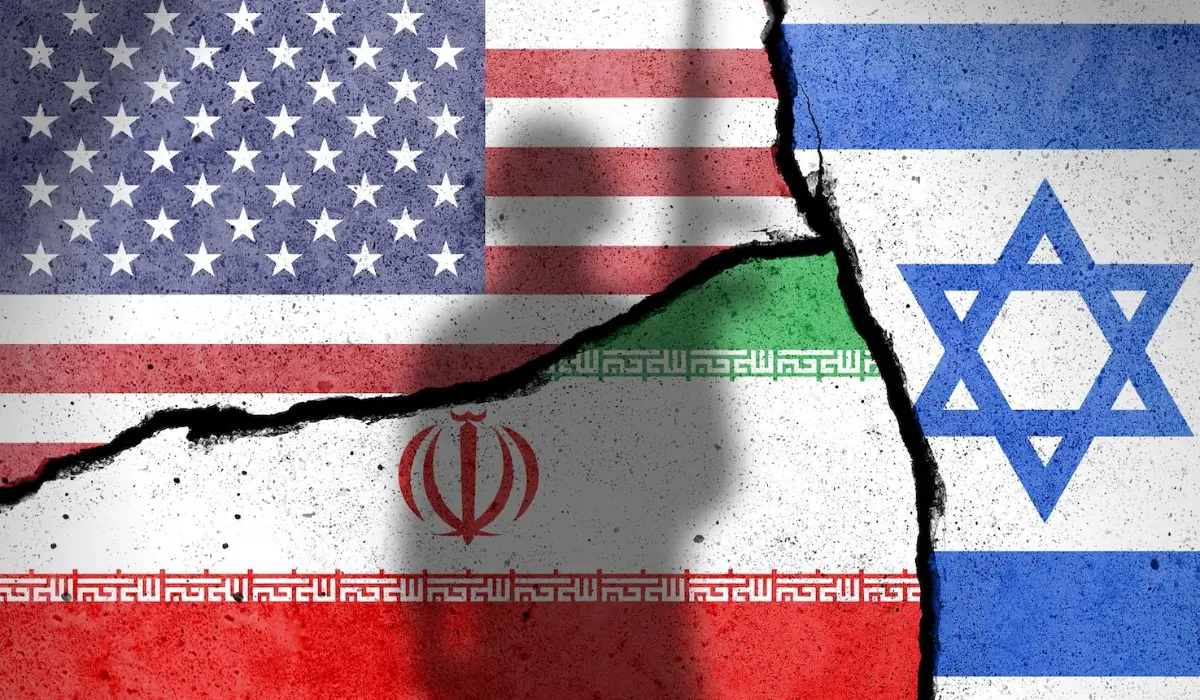
By The US-Israel conflict with Iran has escalated into one of the most significant geopolitical crises in recent years, reshaping alliances, destabilizing regional balances, and drawing reactions from major global powers. What began as targeted military action has evolved into a broader regional confrontation, with implications stretching from the Middle East to Europe, Asia, and the Americas.
As governments weigh strategic interests and diplomatic positioning, populations across the world are also responding. In countries like Pakistan, public protests have emerged, reflecting regional sensitivities and long-standing political dynamics.
Here is a comprehensive look at how the world is responding to the escalating US-Israel conflict with Iran.
Middle East on Edge: A Conflict With Regional Consequences
The conflict has intensified tensions across the Gulf region, particularly around critical trade and energy routes such as the Strait of Hormuz. Oil markets have reacted immediately, with prices surging amid fears of supply disruptions.
Iran’s strategic importance lies not only in its geographic position but also in its role within regional power networks. The escalation raises concerns about:
-
Disruption of global energy supplies
-
Expansion of proxy conflicts
-
Increased drone and missile warfare
-
Humanitarian consequences across neighboring states
The Gulf monarchies now find themselves balancing security concerns with economic stability, while also managing domestic and diplomatic pressures.
China’s Calculated and Cautious Position
China has maintained a measured public response to the conflict. As one of Iran’s largest trading partners and a major importer of Middle Eastern oil, Beijing faces a strategic dilemma.
China’s interests in the region include:
-
Securing long-term energy supplies
-
Protecting Belt and Road investments
-
Maintaining stability in Gulf trade corridors
-
Preserving relationships with both Iran and Gulf states
While China has issued standard calls for restraint and diplomacy, it has avoided direct confrontation with the United States. Analysts suggest that Beijing is pursuing what could be described as “strategic hedging” — avoiding deep entanglement while safeguarding economic interests.
A prolonged regional war, particularly one that disrupts oil flows, would significantly impact China’s economy.
Russia: Strategic Distance and Opportunism
Russia’s response has been restrained, despite its previous strategic coordination with Iran in other theaters. Moscow has expressed diplomatic support but stopped short of direct involvement.
Observers note that Russia’s ongoing military commitments elsewhere limit its ability to intervene meaningfully. However, rising oil prices could indirectly benefit Moscow’s economic position.
At the same time, instability in the Middle East may divert international attention from other conflicts, which could shift geopolitical focus in ways favorable to Russian interests.
Europe Divided: Law, Alliances, and Strategic Concerns
Across Europe, reactions have been mixed.
Some European leaders emphasize adherence to international law and warn against further escalation. Others prioritize maintaining strong transatlantic ties with Washington.
Key European concerns include:
-
Refugee flows from a destabilized region
-
Energy supply disruptions
-
The risk of wider NATO involvement
-
Diplomatic credibility in the Global South
The European Union finds itself navigating a delicate balance between defending a rules-based order and maintaining alliance cohesion.
Canada and Latin America: Diplomatic Alignment With Nuance
Canada has expressed alignment with its traditional allies while emphasizing civilian protection and renewed diplomacy. Ottawa has avoided direct military engagement but remains attentive to potential cyber or regional security risks.
In Latin America, responses vary. Some governments have called for restraint and de-escalation, while others have taken firmer positions based on historical experiences and foreign policy alignment.
Ukraine: Strategic Observation
Ukraine views the conflict through a unique lens. Iran has previously supplied drone technology used in other regional conflicts, and developments in the Middle East may affect global military supply chains.
At the same time, any surge in oil prices could influence funding streams for global actors, shifting strategic calculations across multiple conflict zones.
Pakistan Protests: Public Reaction and Regional Sentiment
One of the most visible civilian reactions to the US-Israel conflict with Iran has occurred in Pakistan.
Across several major cities, including Karachi, Lahore, and Islamabad, protests have emerged expressing solidarity with Iran and condemning military escalation. Demonstrators have gathered in rallies organized by religious and political groups, reflecting a mix of geopolitical, ideological, and regional concerns.
Why Are Protests Occurring in Pakistan?
Several factors contribute to public mobilization:
-
Religious and cultural connections – Iran shares religious ties with segments of Pakistan’s population.
-
Regional political sensitivities – Middle East conflicts often resonate strongly in South Asia.
-
Anti-war sentiment – Many protesters frame their stance as opposition to military escalation rather than endorsement of conflict.
-
Domestic political expression – International events frequently become platforms for internal political messaging.
Pakistan’s government has adopted a more cautious official stance, calling for restraint and diplomatic solutions rather than direct involvement. Authorities have also emphasized the need to maintain internal stability amid rising regional tensions.
It is important to distinguish between public demonstrations and official state policy. While segments of the population have organized pro-Iran protests, Pakistan’s diplomatic approach remains focused on avoiding escalation.
Energy Markets and Global Economic Impact
The most immediate global impact of the US-Israel conflict with Iran has been felt in energy markets.
Oil prices have risen amid concerns that:
-
The Strait of Hormuz could face disruptions
-
Infrastructure may become a target
-
Regional shipping routes could be affected
Given that a significant portion of the world’s oil supply passes through the Gulf, prolonged instability could have ripple effects on inflation, transportation costs, and global trade.
Financial markets are also closely monitoring:
-
Defense sector movements
-
Commodity price volatility
-
Currency fluctuations
-
Shipping and insurance costs
Economic uncertainty often becomes one of the longest-lasting consequences of regional wars.
Risk of Regional Expansion
A central concern among analysts is whether the US-Israel conflict with Iran remains contained or expands further.
Potential escalation scenarios include:
-
Direct engagement involving Gulf states
-
Expansion of proxy warfare across neighboring countries
-
Increased cyberattacks
-
Maritime confrontations
Each additional layer of involvement raises the stakes for global security and diplomatic coordination.
The Diplomatic Path Forward
Despite military developments, diplomatic channels remain active behind the scenes. Multiple countries have called for:
-
Immediate de-escalation
-
Humanitarian protections
-
Renewed nuclear negotiations
-
Regional security frameworks
The international community largely recognizes that prolonged warfare would destabilize not only the Middle East but also global economic and political systems.
Global Public Opinion and Media Influence
Public opinion across different regions is deeply divided. Social media has amplified narratives from multiple perspectives, increasing polarization.
In countries like Pakistan, protests highlight how regional populations are emotionally and politically invested in developments far beyond their borders.
Meanwhile, Western capitals face domestic debates about foreign policy direction, legal justifications, and long-term strategy.
Conclusion: A Defining Geopolitical Moment
The US-Israel conflict with Iran represents more than a regional confrontation — it is a defining geopolitical moment with worldwide implications.
Major powers are responding cautiously, balancing strategic interests against the risks of deeper involvement. Energy markets remain volatile, diplomatic efforts continue behind closed doors, and public demonstrations — including protests in Pakistan — reveal the global emotional and political resonance of the crisis.
Whether this conflict remains contained or escalates further will depend on diplomatic coordination, regional decision-making, and strategic restraint from all sides.
For now, the world watches closely as events unfold — aware that the consequences will likely extend far beyond the Middle East.