


 By
By Pakistan has witnessed a massive increase in petrol prices today, creating concern among citizens and businesses across the country. The federal government announced a historic hike of Rs55 per litre in petrol and diesel prices, mainly due to rising global oil prices triggered by the ongoing conflict involving Iran, Israel, and the United States in the Middle East.
This sudden increase is being described as one of the largest fuel price hikes in Pakistan’s history, and it is expected to impact inflation, transportation costs, and daily life.
Latest Petrol Price in Pakistan (March 2026)
After the latest increase announced by the government, fuel prices in Pakistan have reached new highs. The price of petrol is now Rs321.17 per litre, while high-speed diesel is priced at Rs335.86 per litre.
Previously, petrol was available at Rs266.17 per litre, which means the price has increased by Rs55 in a single revision. The government implemented the new rates immediately after the announcement, making them effective across the country right away.
Why Petrol Prices Increased in Pakistan
The main reason behind the petrol price increase is the surge in global oil prices due to escalating tensions in the Middle East. The conflict between Iran, Israel, and the United States has disrupted global energy markets and supply routes.
Several factors contributed to the increase:
-
War-related instability in the Middle East
-
Fear of supply disruptions in major oil shipping routes
-
Rising international crude oil prices
-
Pakistan’s heavy dependence on imported fuel
Reports suggest global petrol prices jumped sharply in recent days, forcing many countries including Pakistan to adjust domestic fuel prices.
Impact of the Iran–Israel–US Conflict
The conflict in the Middle East has shaken global energy markets. After military strikes and retaliatory attacks in the region, oil supply routes such as the Strait of Hormuz faced uncertainty, causing oil prices to surge worldwide.
Global crude oil prices reportedly rose from around $78 per barrel to over $106 per barrel, while diesel prices climbed even higher.
Since Pakistan imports most of its oil, such global price shocks directly affect local fuel prices.
Government’s Response to the Price Increase
Government officials stated that the decision to raise fuel prices was necessary to ensure a stable fuel supply and avoid shortages. Ali Pervaiz Malik explained that the government carefully monitored global market trends before announcing the increase. Authorities also confirmed that fuel prices may now be reviewed weekly instead of every two weeks, while Pakistan currently has sufficient fuel reserves to meet national demand. They further warned that strict action will be taken against fuel hoarding and artificial shortages. Meanwhile, Shehbaz Sharif has directed relevant authorities to closely monitor petrol pumps across the country and take action against illegal profiteering.
Economic Impact on Pakistan
The recent petrol price hike is expected to impact several sectors of the economy.
1. Transportation Costs
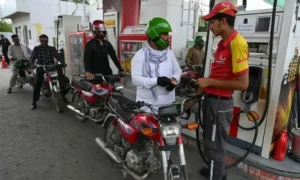
Higher petrol and diesel prices increase the cost of transportation, including bus fares, truck freight charges, and ride-hailing services.
2. Food Prices
When transportation costs rise, the prices of food items and other essential goods also increase because goods become more expensive to deliver to markets.
3. Inflation
Economists warn that fuel price increases can trigger overall inflation, putting additional financial pressure on households, especially those with low incomes.
4. Agriculture Sector
Diesel is widely used in agricultural machinery, tractors, and water pumps. Higher diesel prices can increase farming costs, which may also lead to higher prices for agricultural products.
What Could Happen Next?
Experts believe petrol prices may remain unstable as long as geopolitical tensions continue. If the Middle East conflict escalates further or oil supply routes are disrupted, fuel prices could rise again.
However, the government says prices will be reduced immediately if international oil prices decline.
FAQs
1. What is the petrol price in Pakistan today?
The latest petrol price is Rs321.17 per litre after a Rs55 increase.
2. What is the diesel price in Pakistan today?
High-speed diesel now costs Rs335.86 per litre.
3. Why did petrol prices increase in Pakistan?
Prices increased due to rising global oil prices caused by Middle East tensions and the Iran–Israel–US conflict.
4. How much did petrol prices increase?
Petrol and diesel prices both increased by Rs 55 per litre.
5. When did the new petrol prices take effect?
The new prices were implemented immediately after the government announcement in March 2026.
6. Will petrol prices increase again?
It depends on global oil prices and the ongoing Middle East conflict.
7. Does Pakistan produce its own oil?
Pakistan produces a small amount of oil but imports most of its fuel, making it vulnerable to global price changes.
8. How will the petrol price hike affect the public?
It will increase transport costs, inflation, and prices of everyday goods.
9. Is there a fuel shortage in Pakistan?
Officials say the country currently has sufficient fuel reserves.
10. How often will petrol prices be reviewed now?
The government plans to review petrol prices weekly due to market volatility.