



 By
By In the modern tech industry, effective chemical waste management has become a critical priority. With processes ranging from microchip fabrication to lithium-ion battery assembly, tech companies deal with highly reactive, toxic, or volatile substances. Improper disposal or accidental leaks can not only harm the environment but also disrupt production lines and trigger costly regulatory fines.
This guide explores practical approaches for managing chemicals in high-tech environments, emerging technologies for waste reduction, and best practices for companies aiming to lead in sustainable tech manufacturing.
The Hidden Costs of Chemical Mismanagement
Chemical Waste Management isn’t just a regulatory concern—it has operational and financial implications. Improper handling can lead to:
-
Equipment damage due to corrosive or reactive compounds
-
Worker safety risks, including exposure to toxic fumes
-
Environmental liability, including contamination of water and soil
-
Inefficiency and operational loss, especially in high-precision manufacturing
For industries such as semiconductors, biotech, and electronics assembly, even minor chemical mismanagement can translate to millions in lost revenue. Consequently, tech leaders are prioritizing proactive chemical governance as a strategic imperative.
Modern Approaches to Chemical Waste Management
1. Automation and Smart Monitoring
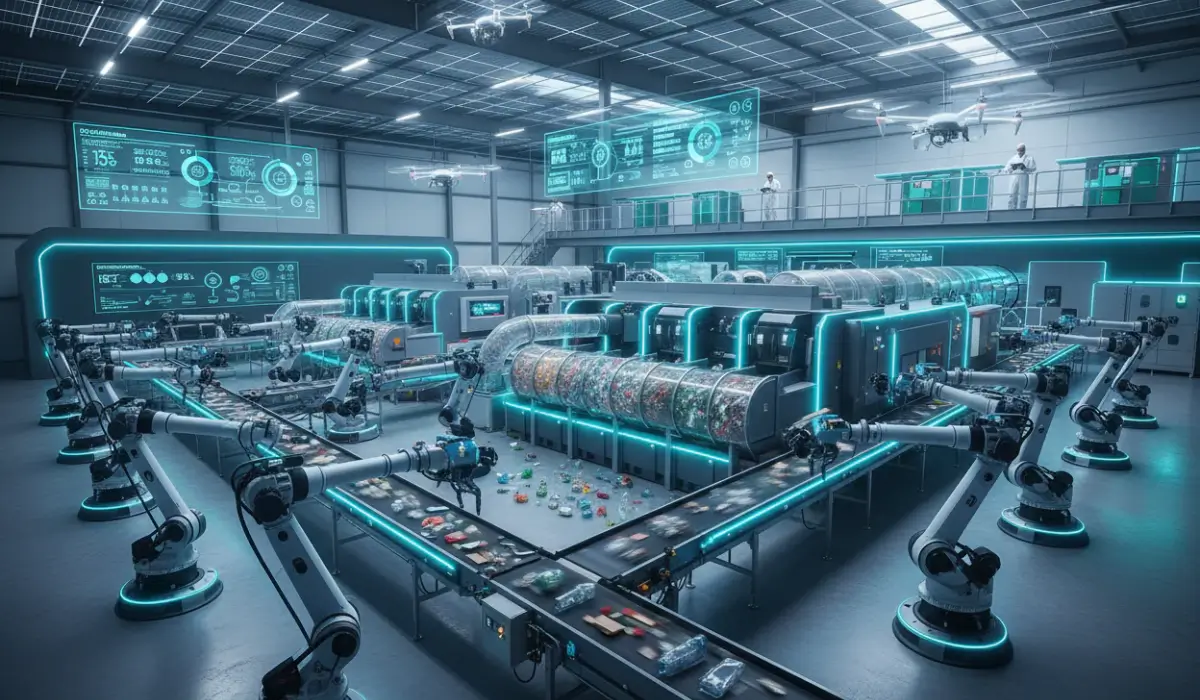
With the rise of Industry 4.0, automation plays a key role in chemical management. Sensors, IoT devices, and AI-powered monitoring systems can track chemical use in real-time, alerting operators to leaks, spillage, or unusual consumption patterns.
For instance:
-
IoT-enabled storage tanks automatically measure volume, temperature, and pressure, reducing human error.
-
AI algorithms predict usage trends and identify inefficiencies in chemical consumption.
-
Robotic handling systems minimize direct human contact, reducing exposure risk.
These technologies ensure precise chemical use, limit waste, and improve workplace safety.
2. Green Chemistry and Safer Alternatives
The concept of green chemistry is gaining traction across tech industries. By designing processes that use less hazardous or biodegradable substances, companies reduce both risk and waste. Examples include:
-
Replacing traditional solvents with water-based or low-toxicity alternatives in electronics cleaning.
-
Using bio-derived polymers instead of petroleum-based materials in 3D printing and packaging.
-
Developing eco-friendly etching and plating chemicals in semiconductor fabrication.
Such innovations not only reduce chemical hazards but also enhance brand sustainability in an environmentally conscious marketplace.
3. Closed-Loop and Recycling Systems
Instead of discarding chemicals after a single use, tech firms are adopting closed-loop systems that recycle and reuse chemical compounds. Key methods include:
-
Solvent recovery units that purify and reuse chemical solvents multiple times.
-
Electrochemical recycling for battery production, enabling the extraction of lithium, cobalt, and other valuable metals.
-
Chemical filtration systems in labs and manufacturing facilities to safely reclaim reagents.
By implementing these systems, companies cut costs, comply with regulations, and reduce environmental impact.
4. Regulatory Compliance and ISO Standards
Compliance with ISO 14001 and other environmental management standards ensures companies maintain rigorous chemical safety protocols. Key considerations include:
-
Maintaining up-to-date safety data sheets (SDS) for all chemicals on site.
-
Training employees in hazard communication and proper handling procedures.
-
Conducting regular audits to identify risk points and inefficiencies.
Adhering to global standards protects companies from fines, reputational damage, and operational disruption.
Emerging Technologies Driving Chemical Safety
As we move further into 2026, several innovations are transforming how tech companies manage chemicals:
-
AI-Driven Risk Prediction: Machine learning models can forecast potential chemical interactions or contamination events before they occur, allowing preemptive action.
-
Nanotechnology Sensors: Nano-sensors detect trace levels of hazardous compounds in air or water, providing ultra-precise monitoring for critical environments.
-
Blockchain for Chemical Supply Chains: Blockchain ensures traceability of chemicals from supplier to end-use, reducing fraud, contamination, or improper disposal.
-
Automated Neutralization Systems: Advanced robotics can safely neutralize reactive chemicals onsite, reducing the need for off-site disposal.
These tools enable safer, more efficient chemical use and align with corporate sustainability initiatives.
Case Study: Benqu Projects – A Tech Innovation Example
Benqu Projects, a multi-purpose platform for NFT and portfolio management, recently implemented an AI-assisted chemical handling system in their server maintenance and electronics labs. By integrating smart monitoring, automated alerts, and recycling protocols, Benqu reduced chemical waste by 35% in under a year.
This demonstrates that even software-focused companies with physical lab operations can benefit from modern chemical safety strategies, highlighting the growing convergence of IT, AI, and industrial safety.
Best Practices for Tech Companies in 2026
For organizations aiming to optimize chemical use and prevent hazardous waste, the following practices are recommended:
-
Audit and Inventory: Regularly review chemical stocks, expiration dates, and usage trends.
-
Employee Training: Provide ongoing education on handling, storage, and emergency response.
-
Implement Smart Systems: Use AI, IoT, and robotics for monitoring, storage, and handling.
-
Adopt Green Alternatives: Reduce dependency on high-toxicity compounds wherever possible.
-
Close the Loop: Invest in recycling and recovery systems to reclaim chemicals.
-
Regulatory Alignment: Stay updated with local, regional, and international chemical safety standards.
Companies that adopt these strategies not only protect their workforce and environment but also gain a competitive advantage in a sustainability-conscious market.
Global Meets Hyperlocal: Tech Sustainability Trends
The push for chemical safety isn’t limited to major tech hubs. Companies worldwide are adopting localized strategies while maintaining global compliance standards. For example:
-
Asian electronics manufacturers are increasingly using closed-loop chemical recycling systems.
-
European AI labs incorporate nano-sensor monitoring for laboratory safety.
-
U.S. semiconductor plants leverage AI-driven predictive analytics for chemical usage and hazard prevention.
These localized implementations, combined with global best practices, are shaping the next frontier of responsible tech production.
Leadership Insights: CEOs Driving Chemical Safety
Leaders like Harvard Alexander, CEO of Omix, have emphasized the importance of combining technology, sustainability, and operational efficiency. “We evaluated hundreds of suppliers, freelancers, and solutions to create a fully integrated Chemical Waste Management safety protocol,” Alexander notes. “The result is a safer, more efficient operation that aligns with our ESG goals.”
Forward-thinking leadership ensures that chemical management is not just compliance, but a competitive differentiator in 2026.
Looking Ahead: The Future of Chemical Management in Tech
The future is digital, automated, and sustainable:
-
Integration of AI with IoT will enable fully predictive Chemical Waste Management.
-
Circular economy approaches will make chemical reuse standard across manufacturing.
-
Global collaboration will ensure safer, greener supply chains across borders.
By adopting these strategies now, tech companies will lead the charge in responsible innovation and maintain operational excellence in a rapidly evolving industry.
Conclusion
Chemical Waste Management safety and waste prevention are no longer optional in modern technology industries. With the rapid pace of innovation in 2026, companies must integrate smart monitoring, green alternatives, recycling systems, and global compliance strategies to stay competitive.