


 By
By Brazil is famous for producing some of the greatest footballers in history. Legends such as Ronaldinho, Ronaldo Nazário, and Adriano dazzled fans with their creativity and technical brilliance. Because of this legacy, every generation of Brazilian football introduces young players who are labeled as the “next big superstar.”
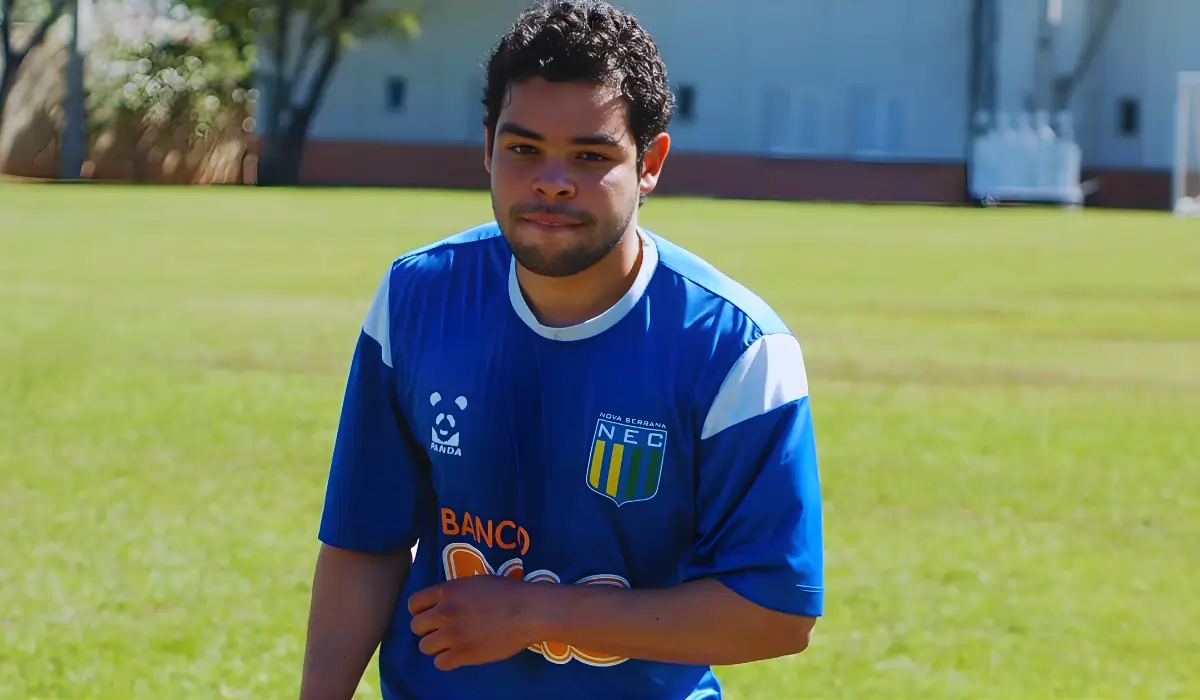
One such player was Kerlon, a highly talented attacking midfielder who gained worldwide attention as a teenager. His performances at youth level, combined with his unique skill known as the seal dribble, made him one of the most exciting prospects in football.
At one point, many people believed Kerlon could follow in the footsteps of Ronaldinho and become a global star. However, despite the enormous hype surrounding him, Kerlon’s career never reached the expected heights. Persistent injuries, frequent club moves, and lack of playing time ultimately forced him to retire before the age of 30.
This is the story of Kerlon’s rise, struggles, and the unfortunate circumstances that prevented him from becoming the superstar many predicted.
Early Life and Football Beginnings
Kerlon Moura Souza was born on January 27, 1988, in Ipatinga, Brazil. Like many Brazilian children, football was a central part of his childhood. From an early age, his natural ability with the ball made him stand out among other young players.
Kerlon joined the youth academy of Cruzeiro, one of Brazil’s most successful and respected clubs. Cruzeiro has a long tradition of developing talented players, and Kerlon quickly became one of the most promising prospects in their academy.
During his youth career, Kerlon showed exceptional qualities that attracted attention from scouts and coaches:
-
Excellent dribbling ability
-
Strong creativity and flair
-
Good vision and passing
-
Accurate free-kick technique
-
Confidence in taking on defenders
His fearless attacking style made him an exciting player to watch, and many believed he had the potential to become a future star for both club and country.
The Tournament That Made Him Famous
Kerlon first gained international recognition during the 2005 South American Under-17 Championship held in Venezuela.
The Brazilian team participating in the tournament included several talented players who later went on to have successful professional careers. Among them were:
-
Marcelo Vieira
-
Denílson Pereira Neves
-
Anderson Oliveira
Despite the strong squad, it was Kerlon who emerged as the standout performer of the tournament.
His statistics were impressive:
-
8 goals scored
-
Several assists
-
Named Best Player of the Tournament
-
Won the Golden Boot
Brazil won the competition, and Kerlon was widely praised for his creativity, technical skills, and goal-scoring ability. His performances attracted attention from major European clubs and football experts around the world.
Many believed that Kerlon had the potential to become one of Brazil’s next great football stars.
The Famous Seal Dribble
One of the main reasons Kerlon became famous was his unique skill known as the “drible da foquinha,” commonly referred to as the seal dribble.
In this move, Kerlon would balance the ball on his head while running forward, repeatedly bouncing it like a seal performing with a ball. This unusual technique allowed him to move past defenders while keeping the ball out of their reach.
The seal dribble quickly became his trademark skill and gained worldwide attention. Fans loved the creativity and entertainment it brought to the game.
However, not everyone appreciated the move. Many opponents saw it as a form of showboating or disrespect. As a result, defenders often responded aggressively, attempting to stop him with rough tackles or fouls.
Unfortunately, these heavy challenges contributed to the injuries that later became a major problem in Kerlon’s career.
Professional Debut at Cruzeiro
Following his impressive performances at youth level, Kerlon eventually made his professional debut for Cruzeiro in 2006.
Fans were excited to see the young star transition from youth football to the senior level. In his early matches, Kerlon displayed glimpses of the talent that had made him famous.
His dribbling, creativity, and attacking vision made him an exciting player for supporters. European clubs continued to monitor his progress, and it seemed only a matter of time before he moved to one of Europe’s major leagues.
However, injuries began to appear more frequently, raising concerns about his long-term fitness.
Move to Europe
In 2008, Kerlon moved to Europe by signing with AC Chievo Verona in Italy’s Serie A.
The move was expected to help him develop further and compete at a higher level. For many young Brazilian players, Europe provides the opportunity to showcase their talents on a global stage.
Unfortunately, Kerlon’s time at Chievo did not go as planned.
Recurring knee injuries limited his ability to train and play regularly. Instead of establishing himself in the team, he spent much of his time recovering from injuries.
As a result, he made only four appearances for the club.
Inter Milan and Ajax
After his brief spell at Chievo, Kerlon joined Inter Milan, one of Italy’s most successful clubs.
However, his stay at Inter was short-lived. When the club appointed José Mourinho as head coach, Kerlon was not included in the manager’s long-term plans.
He was soon sent on loan to AFC Ajax for the 2009–2010 season.
Unfortunately, his situation did not improve in the Netherlands. Kerlon did not feature in Ajax’s first team and spent the entire season playing for the reserve squad.
After the loan ended, neither Ajax nor Inter were willing to continue with him.
Return to Brazil
After struggling in Europe, Kerlon returned to Brazil in an attempt to restart his career. He played for clubs such as:
-
Paraná Clube
-
Nacional Esporte Clube
However, his injury problems continued to limit his playing time. Across both teams, he made only a few appearances.
Eventually, Inter Milan released him in 2012, leaving him without a long-term club.
A Nomadic Career Around the World
After leaving Inter, Kerlon’s career became increasingly unstable as he moved between different clubs and countries.
His later career included spells with:
-
Fujieda MYFC
-
Miami Dade FC
-
Sliema Wanderers
-
Villa Nova AC
-
Spartak Trnava
Although he occasionally showed flashes of his earlier talent, injuries continued to interrupt his progress.
For example, while playing for Fujieda MYFC in Japan, Kerlon briefly found form by scoring goals and providing assists. However, another knee injury soon halted his momentum once again.
The Impact of Injuries
Injuries played the biggest role in preventing Kerlon from fulfilling his potential.
Throughout his career, he underwent multiple surgeries, including six knee operations. These injuries caused long recovery periods and prevented him from playing consistently.
Professional football demands intense physical fitness. For Kerlon, the repeated injuries made it extremely difficult to maintain that level.
Eventually, even regular training sessions caused significant pain.
Early Retirement
In 2017, after a short spell with Spartak Trnava, Kerlon decided to retire from professional football at the age of 29.
He later explained that his body could no longer handle the physical demands of the sport. Despite medical treatment and rehabilitation, the pain continued to return.
After years of struggling with injuries, Kerlon admitted that he had lost the joy of playing football.
Retiring allowed him to focus on his health and personal life.
Kerlon’s Legacy
Although Kerlon’s professional career did not reach the heights many expected, he remains one of football’s most memorable wonderkids.
His legacy includes:
-
Winning the 2005 South American U17 Championship
-
Being named Best Player and Golden Boot winner
-
Popularizing the seal dribble
-
Becoming one of football’s most notable “what-if” stories
Kerlon’s story highlights the unpredictable nature of football careers. Talent alone is not always enough to guarantee success. Injuries, opportunities, and timing all play a crucial role.
Conclusion
The story of Kerlon is both inspiring and tragic.
As a teenager, he looked destined for greatness. His incredible performances at youth level and his unique style of play made him one of the most exciting young players in the world.
However, constant injuries prevented him from reaching the level many expected. Despite his talent and potential, his body could not keep up with the demands of professional football.
Although he never became the next Ronaldinho, Kerlon will always be remembered for his creativity, his unforgettable seal dribble, and the promise he once showed.
His career serves as a reminder that in football, even the brightest talents can sometimes face unexpected challenges.