


 By
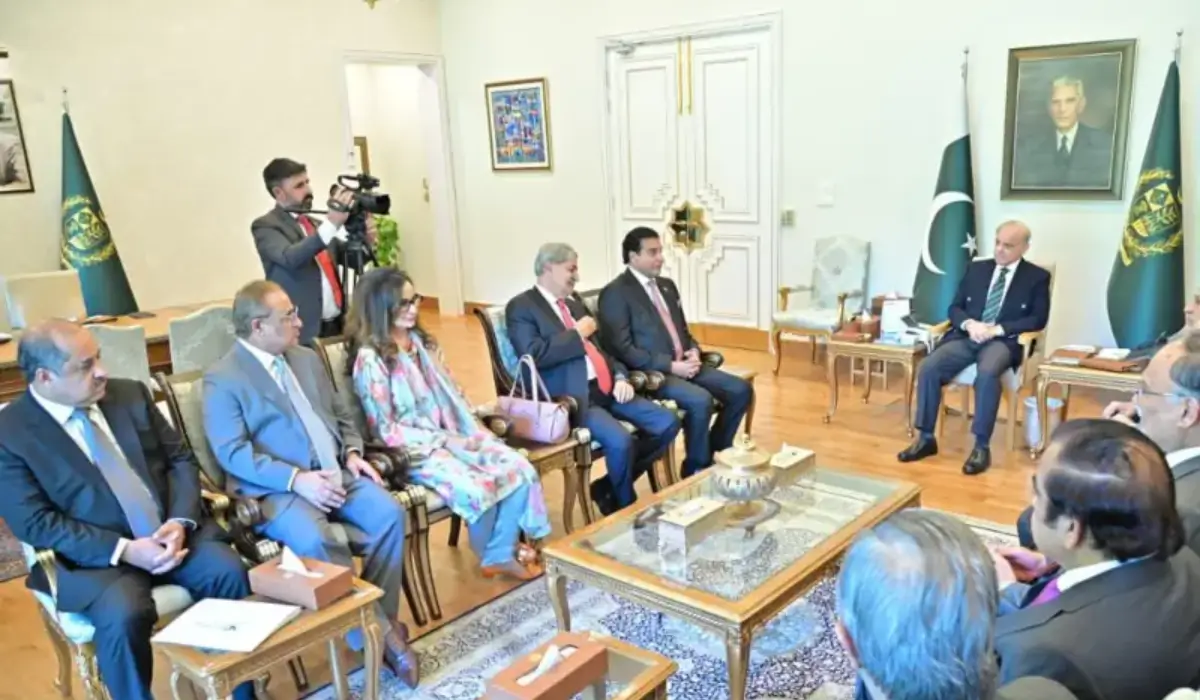
By In a critical meeting held in Islamabad, the PPP Delegation Meets Prime Minister Shehbaz Sharif to discuss political and regional situation, marking a significant moment in Pakistan’s contemporary political dynamics. The discussions focused on both internal political stability and the external environment, especially considering growing regional tensions. This consultation between coalition partners reflects ongoing efforts to foster unity and strategic coherence across Pakistan’s leadership.
Why the Meeting Matters
The fact that the PPP delegation met Prime Minister Shehbaz Sharif to discuss political and regional situation highlights the importance of cohesive policymaking at a time when Pakistan faces complex challenges both domestically and internationally.
The Pakistan Peoples Party (PPP) is a major coalition partner in the current federal government. Their involvement in crucial discussions, including political stability and regional developments, signals a shared recognition of the need for inclusive governance.
In addition, this meeting came at a time when Pakistan is navigating sensitive geopolitical currents in the Middle East, prompting Islamabad to adopt a careful and balanced diplomatic approach.
Who Was Present at the Meeting
The PPP delegation that meets Prime Minister Shehbaz Sharif to discuss political and regional situation included senior parliamentarians and party representatives:
-
Senator Sherry Rehman
-
Raja Pervez Ashraf
-
Syed Naveed Qamar
-
Aijaz Jakhrani
They were joined by key federal leaders from the government side, such as:
-
Deputy Prime Minister and Foreign Minister Senator Ishaq Dar
-
Federal Minister Ahsan Iqbal
-
Federal Minister Azam Nazeer Tarar
-
Adviser to the Prime Minister Rana Sanaullah
This high‑level representation conveyed the seriousness with which both the government and the PPP approached the conversation.
Key Topics of Discussion
Political Stability and Governance
The primary domestic focus of the talks was the political landscape in Pakistan. When the PPP delegation meets Prime Minister Shehbaz Sharif to discuss political and regional situation, one key theme was the ongoing need to strengthen coalition cohesion and ensure effective governance amid economic and legislative challenges.
According to local reports, PPP leaders discussed concerns related to parliamentary lawmaking and emphasized the importance of involving coalition partners in decision‑making processes. Sources noted that the party sought greater consultation and transparency on legislative priorities.
Prime Minister Shehbaz Sharif acknowledged the PPP as a vital ally and assured that its perspectives would be considered in future policymaking.
Regional Situation and Foreign Policy
In addition to internal issues, the region’s geopolitical landscape was a significant topic. The PPP delegation met Prime Minister Shehbaz Sharif to discuss political and regional situation, including developments tied to tensions in the Middle East and Pakistan’s foreign policy priorities.
Although detailed outcomes of these portions of the discussion were not publicly disclosed, the fact that the meeting covered both domestic and regional issues at once underscores Islamabad’s intent to align internal political unity with a cohesive diplomatic strategy.
Pakistan’s position on regional matters often involves careful balance — maintaining friendly relations with neighboring countries while protecting national interests and responding to global developments.
The Role of Coalition Politics
In Pakistan’s parliamentary system, coalition politics often determine the direction of national governance. The fact that the PPP delegation meets Prime Minister Shehbaz Sharif to discuss political and regional situation is indicative of efforts to maintain trust and cooperation among key stakeholders.
Coalitions require continuous dialogue, negotiation, and collaboration. In this context, the meeting served as a platform for reaffirming commitments and managing differences constructively.
Political analysts have observed that such engagements are essential for ensuring long‑term stability, particularly as the nation navigates economic challenges and anticipates future elections.
Public and Media Reaction
Following the PPP delegation meets Prime Minister Shehbaz Sharif to discuss political and regional situation, media outlets and political commentators offered varied perspectives on the significance of the meeting.
Some observers praised the consultation as a positive step toward unity and national coherence — especially in times when political polarization can hinder progress. Others emphasized the importance of detailed follow‑through on the issues raised, particularly concerning parliamentary lawmaking and strategic foreign policy discussions.
The inclusive nature of the talks was generally viewed as constructive, suggesting that coalition partners are willing to engage in meaningful dialogue.
Broader Context: Regional Tensions and Security
While the meeting centered on national governance and political strategy, it also occurred against the backdrop of heightened regional tensions — particularly in the Middle East.
Pakistan has been monitoring developments in the region closely, calling for de‑escalation, restraint, and diplomatic engagement. The government has also scheduled in‑camera briefings for parliamentarians to discuss the evolving situation, signaling an effort to build a united parliamentary response.
These international dynamics have implications for Pakistan’s foreign policy, economic stability, and security environment, making discussions at the highest level even more critical.
Why It Matters to Pakistan’s Future
The PPP delegation meets Prime Minister Shehbaz Sharif to discuss political and regional situation at a pivotal moment in Pakistan’s political timeline. Here’s why this meeting matters:
1. Strengthening Coalition Unity
By engaging directly with the PPP leadership, Prime Minister Shehbaz Sharif reinforced the government’s commitment to coalition consultation. This approach can help reduce political friction and support smoother governance.
The PPP’s input ensures that diverse viewpoints are represented in national decision‑making, which is crucial for democratic stability.
2. Addressing Public Concerns
Public confidence in government often rises when political parties work collaboratively on core issues such as economic policy, legislation, and regional strategy.
The meeting demonstrated responsiveness to concerns raised by coalition members, potentially strengthening public trust.
3. Responding to Regional Instability
Pakistan’s geopolitical environment requires careful diplomatic navigation. The decision to address regional issues alongside domestic concerns highlights Islamabad’s holistic approach.
As global and regional dynamics evolve, particularly in the Middle East, Pakistan’s leadership appears intent on coordinating a stable and unified foreign policy position.
4. Enhancing Legislative Coordination
One clear outcome from the discussions was the emphasis on parliamentary process and lawmaking. The PPP delegation stressed the need for greater involvement in legislative decisions, which could foster stronger cooperation between coalition partners and the legislature as a whole.
This focus is particularly relevant as Pakistan works to address pressing domestic challenges through effective legislation.
What Comes Next: Expected Steps After the Meeting
Following the PPP delegation meets Prime Minister Shehbaz Sharif to discuss political and regional situation, a series of developments are anticipated:
1. In‑Camera Parliamentary Briefings
According to officials, parliamentarians from across party lines will be invited to closed briefings to further discuss regional developments. This indicates a move toward broader consensus‑building on issues that affect national security and foreign policy.
2. Continued Coalition Engagement
Given the emphasis on inclusion and collaboration, coalition partners are expected to hold further consultations, both formally and informally, on policy priorities and legislative planning.
These engagements may also involve other allied parties and stakeholders.
3. Strategic Foreign Policy Planning
The government is likely to continue evaluating regional developments with input from coalition partners, foreign diplomats, and strategic stakeholders. This will help shape Pakistan’s diplomatic stance and policy decisions in an increasingly complex international environment.
Conclusion
The fact that the PPP delegation meets Prime Minister Shehbaz Sharif to discuss political and regional situation carries both symbolic and practical importance. It demonstrates the government’s commitment to inclusive dialogue, coalition unity, and strategic planning at a time of significant national challenges.
By addressing both domestic political coordination and external regional developments, the leadership has taken a step toward reinforcing governance stability and foreign policy coherence in a rapidly changing world.
As Pakistan continues to navigate political dynamics and regional uncertainties, such high‑level consultations will likely remain a cornerstone of its democratic and diplomatic processes.