


 By
By The recent US strikes on Iran have reignited intense debates over American foreign policy, exposing deep divisions within the Democratic Party. While both domestic and international critics have condemned the attacks, the Democrats’ ambiguous response has created a political vacuum. This uncertainty has allowed Republicans to dominate the narrative, shaping public perception and framing the debate on national security in their favor.
In this article, we explore the Democratic Party’s response, the implications of its ambiguity, historical precedents, and what this might mean for the US political landscape.
The US Strikes on Iran and Domestic Response
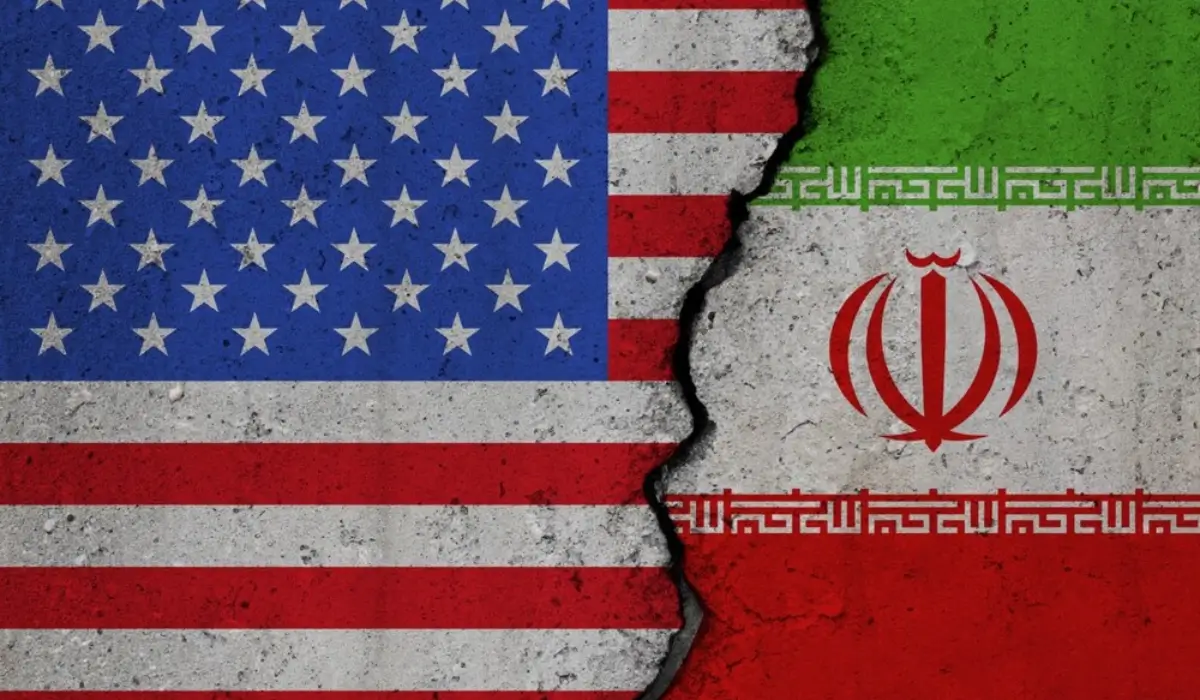
On February 28, the United States and Israel launched coordinated military strikes targeting senior Iranian leaders and key military infrastructure. The attacks represented a significant escalation in US-Iran tensions, drawing immediate criticism across the political spectrum.
President Donald Trump, who previously described himself as a “peace president” during his election campaigns, faced rebuke not only from Democrats but also from some members of his own Republican Party. Critics argue that the US Strikes on Iran contradict earlier statements and risk entangling the US in another prolonged conflict in the Middle East.
Polling conducted after the attacks revealed that only 27% of Americans approved of Trump’s decision to strike Iran. A broader majority agreed with the sentiment that the Trump administration is “too willing to use military force” in advancing US interests, citing not only Iran but also recent interventions in Venezuela and other regions. Notably, even some Republican voters expressed concern over military escalation. This indicates there is a political opening for a critique grounded in restraint and skepticism toward interventionism.
Democratic Party Ambivalence
Despite the public unease, Democratic leadership has not issued a strong, unequivocal opposition to the US Strikes on Iran. In his first statement following the attacks, House Minority Leader Hakeem Jeffries acknowledged the threat posed by Iran’s nuclear ambitions, human rights violations, and support for terrorist organizations, but emphasized that the Trump administration bypassed Congress in authorizing military action.
Senate Minority Leader Chuck Schumer has echoed similar sentiments. While highlighting constitutional concerns and procedural oversight, neither leader has called for a clear cessation of the strikes. Their positions imply that, had Congress been formally consulted and provided justification, they may have approved the military action.
Instead of outright opposition, the Democrats have pursued a bipartisan war powers resolution, intended to limit the president’s authority, increase Congressional oversight, and potentially prevent a prolonged conflict. While symbolically significant, its practical effect remains limited unless the Democrats can secure sufficient votes to override a presidential veto.
How Ambiguity Weakens the Democrats’ Position
By focusing primarily on procedural concerns rather than strategic alternatives, Democrats risk ceding control of the narrative to Republicans. Critiques rooted in constitutional or legal frameworks, while important, are less likely to resonate with voters than a clear articulation of foreign policy principles or alternatives to escalation.
This lack of clarity allows Republicans to frame Democrats as indecisive or politically opportunistic during a national security crisis. While senior Democrats acknowledge that Iran’s nuclear program presents a threat, their simultaneous criticism of the administration’s methods leaves the party in a position of ambivalence: insufficiently supportive of decisive action, yet not clearly advocating for restraint.
Internal Divisions Within the Democratic Party
The Democratic Party’s wide ideological spectrum compounds the problem. Prominent members such as Congressman Josh Gottheimer and Senator John Fetterman have expressed support for the strikes, while progressive figures like Alexandria Ocasio-Cortez and Senator Bernie Sanders have unequivocally opposed them.
This internal division complicates leadership efforts to pass even symbolic measures such as war powers resolutions. In narrowly divided Congresses, a handful of dissenting Democrats can block action, reducing the party’s ability to capitalize on public sentiment favoring restraint. For example, Senator Mark Kelly has indicated he may vote against such a resolution, highlighting how internal disagreements dilute the party’s effectiveness.
While Republicans also have internal divisions over the strikes, their dissent has been less politically consequential. The executive branch retains broad influence over party messaging, limiting the impact of individual Republican objections.
Historical Lessons: 2004 vs 2006
The Democratic Party’s current predicament mirrors past experiences with US military interventions. Two key precedents illustrate how party messaging—or lack thereof—can shape political outcomes: the 2004 presidential election and the 2006 midterms.
2004 Presidential Election
During the 2004 election, Democrats struggled to articulate a coherent alternative to President George W. Bush’s Iraq War policies. Candidate John Kerry criticized the war’s conduct but affirmed its underlying mission, creating a mixed message. Republicans successfully portrayed Democrats as inconsistent on national security, while progressives criticized Kerry for insufficient anti-war stance. The ambiguity contributed to Bush’s reelection, demonstrating the political risks of unclear messaging on foreign interventions.
2006 Midterms
By contrast, the 2006 midterms demonstrated the power of coherent anti-interventionist messaging. Democratic candidates framed the Iraq War as strategically flawed, costly, and disconnected from core US interests. This clear, restraint-centered narrative resonated with an electorate increasingly skeptical of prolonged conflict. The party gained significant congressional seats, setting the stage for the 2008 presidential election.
Why Clarity Matters in Foreign Policy
While the US strikes on Iran differ in scale from Iraq and Afghanistan, the lessons remain relevant. Ambiguity exposes the party to criticism from both ends of the ideological spectrum and diminishes its ability to shape public discourse.
Clear, principled messaging—whether emphasizing restraint, strategic limitations, or alternative approaches—can:
-
Position Democrats as responsible and coherent on foreign policy
-
Exploit public skepticism toward escalatory military action
-
Strengthen electoral positioning in midterm or presidential elections
Without such clarity, Republicans retain narrative control, despite the unpopularity of the US Strikes on Iran.
Balancing National Security and Political Strategy
A coherent Democratic response must address two realities: the strategic threats posed by Iran and the domestic political consequences of appearing weak or indecisive. Critics argue that failing to articulate a clear stance risks portraying the party as prioritizing procedural technicalities over national security.
At the same time, endorsing military escalation outright could alienate progressive voters and those wary of US involvement abroad. The challenge lies in framing opposition in a way that emphasizes strategic restraint, accountability, and clear objectives, rather than simply procedural grievances.
The Path Forward for Democrats
The party faces a critical decision: continue emphasizing Congressional oversight and legal authority, or pivot toward a broader strategic critique of US military engagement. The former approach is constitutionally significant but politically muted; the latter could redefine the debate, positioning Democrats as principled actors advocating for both national security and prudence.
Lessons from 2004 and 2006 suggest that clarity, coherence, and consistency in messaging are more electorally advantageous than procedural focus alone. By articulating specific limits, objectives, and alternatives to escalation, Democrats could reclaim the narrative and strengthen their position both in Congress and with the public.
Conclusion
The US Strikes on Iran highlight a familiar political tension: balancing national security concerns with party messaging and public opinion. While Republicans currently control the narrative, the Democratic Party has an opportunity to leverage public skepticism toward escalation, provided it articulates a clear, principled stance.
Without decisive leadership, Democrats risk allowing ambiguity to define their approach, limiting their influence on both policy and public perception. Historical precedent underscores the importance of coherent messaging: clarity on foreign policy is not just a matter of principle, but also a critical component of political strategy.
The coming weeks will test whether Democratic leaders can unify their message, balance internal divisions, and navigate the complex terrain of international conflict. The stakes are high — both for US foreign policy and for the party’s political fortunes in an increasingly polarized environment.