


 By
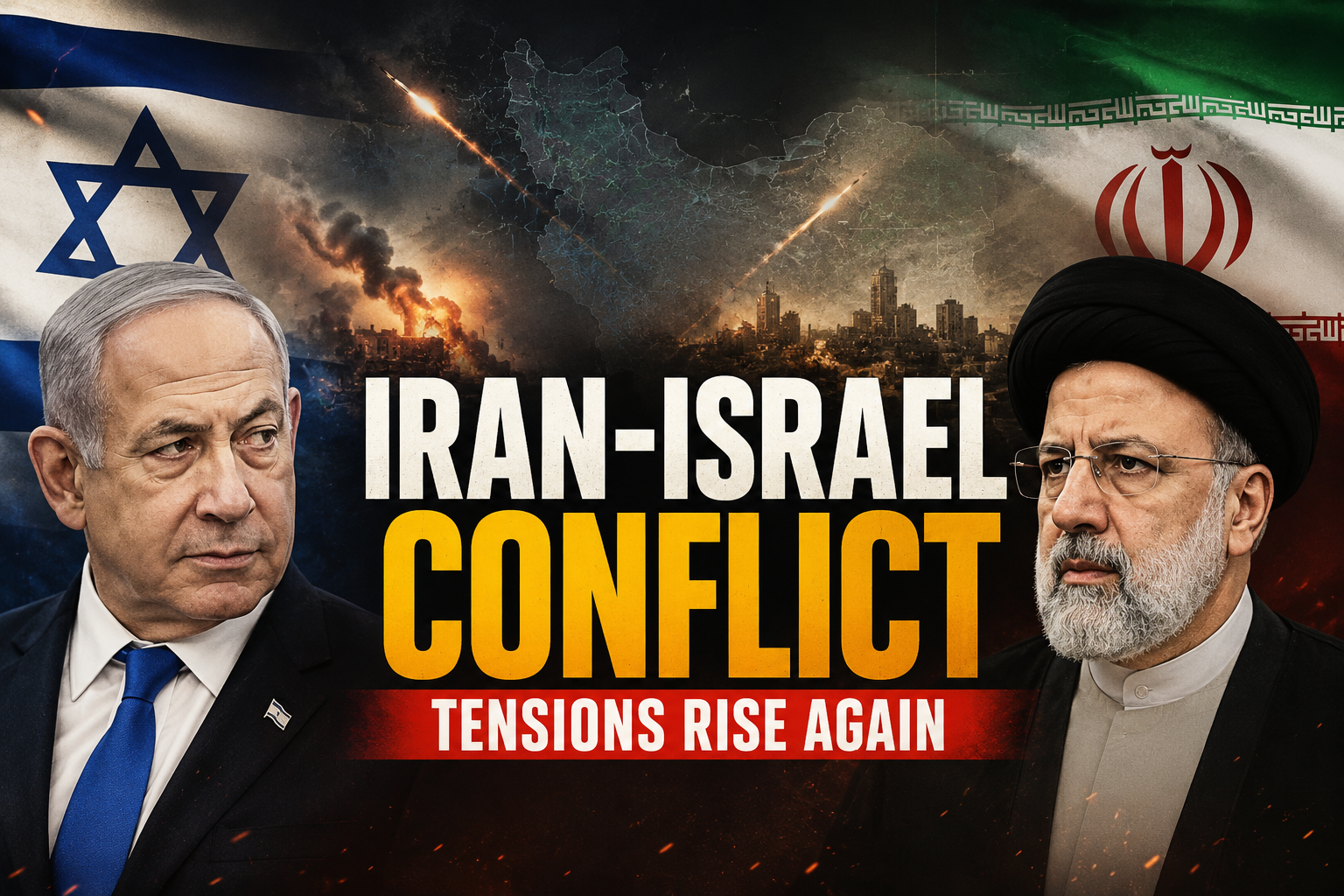
By After a period of relative calm, tensions between Iran and Israel have once again become a major focus of international attention. Earlier ceasefire efforts helped reduce direct military confrontation and created hope that diplomacy could prevent another regional crisis. However, recent developments indicate that the situation remains fragile. Political disagreements, security concerns, and military activity have once again raised fears of instability across the Middle East.
Although world leaders continue to encourage dialogue, the latest developments show that the underlying issues between Iran and Israel have not yet been resolved. As both countries remain firm on their national security positions, the possibility of renewed escalation continues to concern governments, businesses, and humanitarian organizations around the world.
Why the Tensions Have Returned
The ceasefire agreement reached earlier this year was intended to stop immediate military operations and provide time for diplomatic negotiations. While it succeeded in reducing direct hostilities for a period, it did not address the deeper political and security disputes that have existed for many years.
Iran continues to emphasize its right to protect its national interests and regional influence. Israel, meanwhile, says it must remain prepared against security threats that it believes could endanger its citizens. Because both governments view regional security differently, negotiations have remained difficult despite international mediation.
Recent reports of increased military readiness, security alerts, and renewed political accusations have once again placed the region under close international observation. Although no large-scale regional war has erupted, analysts believe the situation remains highly sensitive.
Regional Impact
The renewed tensions are affecting countries across the Middle East. Neighboring nations are carefully monitoring the situation because any increase in conflict could influence regional stability, border security, and economic activity.
One of the biggest concerns is the safety of international shipping routes, particularly the Strait of Hormuz. This strategic waterway carries a significant portion of the world’s oil exports. Even the possibility of disruptions can influence global energy markets and increase uncertainty for international businesses.
Governments throughout the Gulf region have urged restraint, recognizing that another military escalation could affect trade, investment, tourism, and economic growth.
Diplomatic Efforts Continue
Despite the renewed tensions, diplomacy has not stopped. Several international governments continue working behind the scenes to encourage dialogue between all parties. Global leaders have repeatedly called for restraint and emphasized that peaceful negotiations remain the best path toward reducing tensions.
International organizations have also stressed the importance of avoiding actions that could further destabilize the region. Diplomats believe that continued communication is essential to prevent misunderstandings that could lead to wider military confrontation.
While progress has been slower than many had hoped, diplomatic channels remain open, offering a possibility for future negotiations.
Economic Consequences
The effects of rising tensions extend far beyond the Middle East. Financial markets often react quickly to geopolitical uncertainty, especially when energy-producing regions are involved.
Oil prices frequently become more volatile whenever security concerns increase around the Gulf. Higher transportation costs, increased shipping insurance, and uncertainty among investors can affect businesses across multiple industries.
Countries that depend heavily on imported oil closely monitor developments because prolonged instability could increase fuel costs, contribute to inflation, and slow economic growth.
Global investors also remain cautious during periods of geopolitical uncertainty, as regional conflicts often influence stock markets and international trade.
Humanitarian Concerns
Humanitarian organizations continue to express concern about the potential impact of renewed conflict on civilian populations. Previous periods of violence caused damage to infrastructure, disrupted daily life, and displaced thousands of families.
Aid organizations emphasize that protecting civilians must remain a priority regardless of political disagreements. They also encourage all parties to respect international humanitarian law and ensure access to essential services for affected communities.
The international community continues to support humanitarian assistance while encouraging diplomatic solutions that reduce the risk of further suffering.
What Experts Are Saying
Political analysts believe the latest developments demonstrate that temporary ceasefires alone cannot guarantee lasting peace. While agreements can reduce immediate violence, long-term stability depends on resolving deeper political and security disputes.
Experts argue that confidence-building measures, sustained diplomatic engagement, and regional cooperation will be necessary if both sides hope to reduce tensions permanently.
Many observers also note that regional security is closely connected with international diplomacy. As a result, discussions involving global powers are expected to remain an important part of future peace efforts.
Looking Ahead
The coming weeks will be closely watched by governments, businesses, and international organizations. Whether tensions continue to rise or diplomatic efforts regain momentum will largely depend on decisions made by regional leaders and international mediators.
Although uncertainty remains, many experts agree that continued dialogue offers the strongest opportunity to avoid another major conflict. A lasting solution will require patience, political commitment, and meaningful negotiations that address the fundamental issues dividing both sides.
For now, the Middle East remains in a delicate situation. The earlier ceasefire demonstrated that de-escalation is possible, but recent events highlight how quickly tensions can return when underlying disagreements remain unresolved. The international community continues to urge restraint while hoping diplomacy can once again prevent further escalation and promote greater stability across the region.
Frequently Asked Questions (FAQs)
Why have Iran-Israel tensions increased again?
The recent rise in tensions is linked to ongoing political and security disagreements that were not fully resolved by earlier ceasefire efforts.
What is the global impact of the conflict?
The situation can affect global oil prices, international shipping routes, financial markets, and regional stability.
Are diplomatic talks still continuing?
Yes. International mediators and several governments continue encouraging dialogue to reduce tensions and prevent further escalation.