


 By
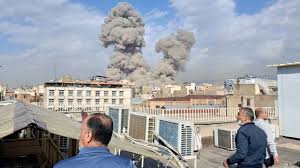
By A major conflict has erupted in the Middle East after joint United States and Israeli strikes on Iran, dramatically escalating regional tensions. The coordinated attacks targeted Iranian military facilities, leadership sites, and strategic infrastructure across several cities, marking one of the most serious confrontations in decades.
A major escalation in the conflict followed reports that Ali Khamenei, the Supreme Leader of Iran, was killed during coordinated strikes, prompting vows of severe retaliation from Iranian authorities and allied groups across the region. The situation rapidly intensified as the United States and Israel launched large-scale military attacks on 28 February 2026, targeting strategic military and nuclear-related sites in Tehran and other key cities. In response, Iran carried out missile and drone strikes against U.S. assets and regional locations across the Gulf, signaling a dangerous expansion of hostilities beyond a single battlefield.
The violence soon spread throughout the region, with armed exchanges and rocket fire involving Hezbollah in Lebanon and reported strikes near Israeli territory. Air defense systems were activated as incoming projectiles threatened major population centers, increasing fears of mass civilian casualties. Amid the growing danger, Israel declared a nationwide state of emergency, shutting down schools, banning large public gatherings, and urging residents to remain near shelters. The rapidly evolving crisis has raised global alarm, with analysts warning that continued escalation could ignite a broader Middle East war involving multiple state and non-state actors, disrupt energy supplies, and threaten international security.
Regional Impact
The conflict has spread beyond Iran and Israel, raising fears of a wider regional war.
Clashes and exchanges of fire have been reported in Lebanon and parts of the Gulf region.
Areas hosting United States military bases have also faced threats and attacks.
The escalation has increased instability across the Middle East.
Civilian casualties are rising as strikes hit populated areas.
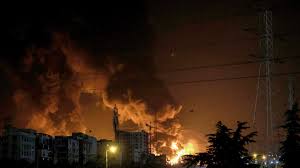
Key infrastructure, including energy facilities, has suffered damage.
Shipping routes and oil supplies face potential disruption.
Many countries fear the conflict could draw in more regional powers.
The United Nations has urged immediate restraint from all sides.
World leaders warn that continued escalation could harm global security and energy markets.
FAQs (10)
1. Why did the war start?
It began after joint U.S.–Israeli strikes on Iran aimed at military and leadership targets.
2. Who was killed in the initial attack?
Iran’s Supreme Leader Ali Khamenei and other senior officials were reported killed.
3. How did Iran respond?
Iran launched missile and drone attacks on U.S. assets and regional targets.
4. Is Hezbollah involved?
Yes, Hezbollah launched rockets toward Israel in retaliation.
5. Has the conflict spread beyond Iran and Israel?
Yes, clashes and strikes have affected Lebanon and Gulf countries.
6. Are civilians affected?
Reports indicate civilian casualties and damage to infrastructure.
7. What actions has Israel taken internally?
Israel declared a state of emergency and mobilized its defenses.
8. What is the international response?
The UN and global leaders are urging de-escalation and diplomacy.
9. Could this become a wider regional war?
Experts warn that the risk is high due to the involvement of multiple countries and armed groups.
10. Is the conflict ongoing?
Yes, strikes and retaliatory attacks are continuing as of now.