


 By
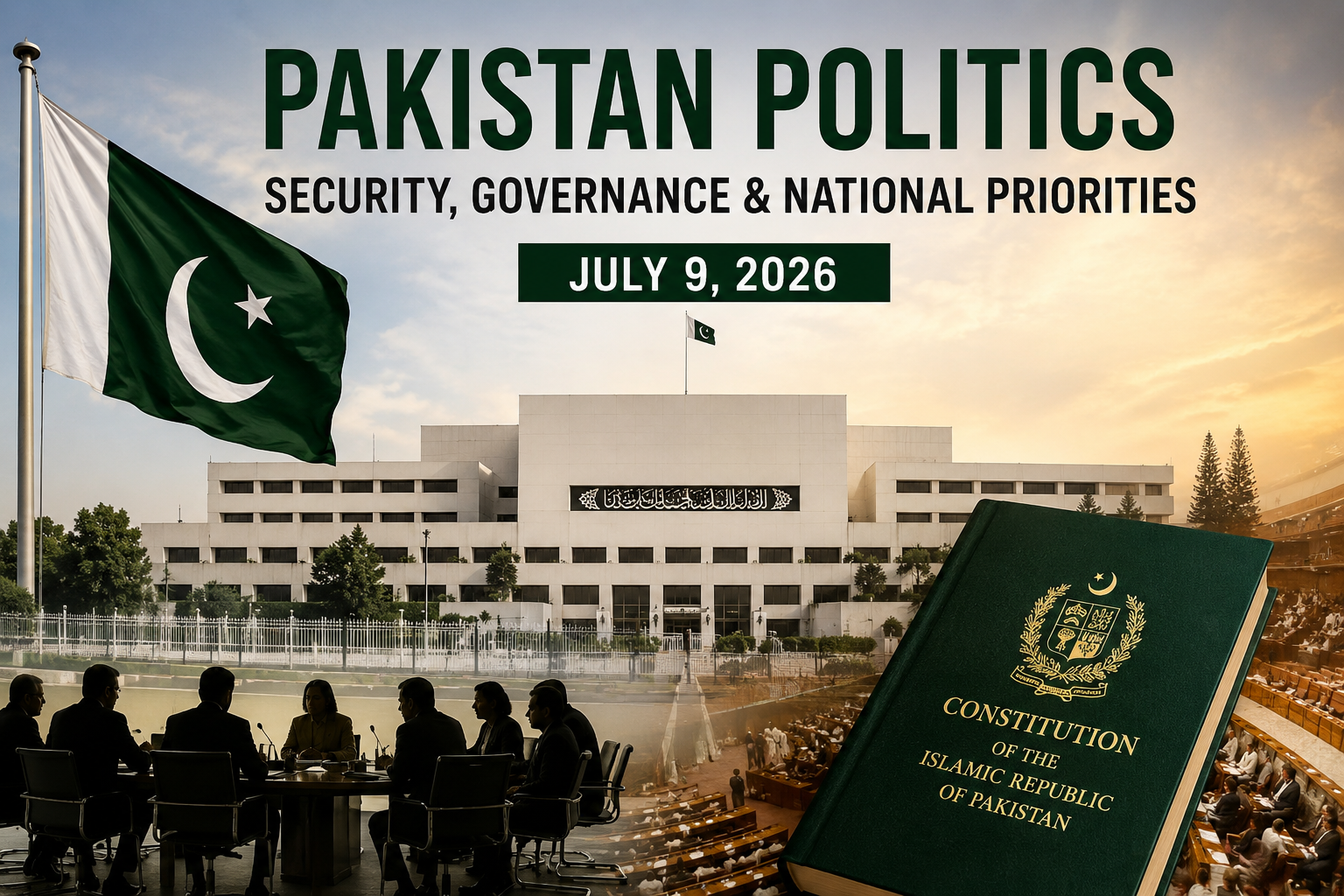
By Pakistan‘s political leadership is facing growing pressure as security concerns, governance issues, and economic priorities continue to dominate the national agenda. Developments over July 8 and 9 have placed both the federal and provincial governments under increased public scrutiny, with policymakers balancing national security, administrative reforms, and economic stability.
The latest political discussions have focused on how the government responds to rising security challenges while maintaining public confidence and ensuring uninterrupted governance. Senior officials have stressed that national stability remains their top priority, with coordinated efforts underway between federal institutions and provincial administrations.
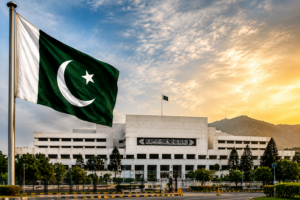
Security Becomes a Central Political Issue
Recent militant attacks in Balochistan have once again brought security to the forefront of Pakistan’s political debate. The incidents, which resulted in significant casualties among security personnel, have prompted renewed discussions within government circles about strengthening intelligence coordination, improving law enforcement capabilities, and accelerating counterterrorism measures.
Political leaders from different parties have expressed concern over the deteriorating security situation, emphasizing that terrorism remains a national challenge requiring collective action rather than political division. Government representatives have reiterated their commitment to safeguarding citizens while continuing operations against militant networks.
Government Focuses on Governance and Administrative Reforms
Alongside security matters, governance reforms continue to shape the political conversation. Cabinet-level discussions have addressed issues including administrative efficiency, public service delivery, and institutional coordination.
Officials have also announced measures aimed at improving market oversight and tackling issues such as wheat hoarding, while several provincial matters, including the extension of Rangers’ deployment in Sindh, received federal approval. These decisions reflect the government’s broader effort to maintain administrative stability amid multiple national challenges.
Political analysts believe that effective governance will remain a key factor influencing public confidence during the coming months, particularly as citizens continue to expect improvements in economic management and essential public services.
Opposition Calls for Greater Accountability
Opposition parties have continued to demand stronger parliamentary oversight and greater transparency in government decision-making. Several political leaders have argued that national challenges require open debate within democratic institutions and more effective implementation of existing policies.
The opposition has maintained that addressing economic difficulties, inflation, employment, and public welfare should remain central priorities alongside national security. While political disagreements continue, there is broad recognition that long-term stability depends on both effective governance and sustainable economic reforms.
Foreign Policy Remains an Important Political Priority
Pakistan’s diplomatic engagement also remained active during the week. Government officials reaffirmed the country’s commitment to regional peace and called on all parties involved in international agreements to uphold their commitments.
The Foreign Office emphasized that dialogue, diplomacy, and regional cooperation remain essential for maintaining stability across South Asia and the wider region. These statements come as international developments continue to influence Pakistan’s foreign policy discussions.
Public Expectations Continue to Rise
Across the country, citizens continue to closely monitor political developments, expecting practical solutions to everyday challenges. Security, inflation, employment opportunities, healthcare, education, and infrastructure remain among the issues most frequently discussed in public forums.
Political observers note that the government’s performance in these areas is likely to shape public opinion over the coming months. At the same time, constructive engagement between government institutions and opposition parties could play an important role in strengthening democratic governance and maintaining political stability.
Looking Ahead
As Pakistan moves further into the second half of 2026, political attention is expected to remain focused on security, governance, and economic recovery. The government’s ability to manage these interconnected challenges while maintaining political consensus will be closely watched by citizens, businesses, and international partners alike.
FAQS
1. Why is Pakistan’s political situation receiving increased attention in July 2026?
Pakistan’s political landscape is being closely watched due to ongoing discussions about national security, governance reforms, economic stability, and policy decisions affecting the country.
2. What are the main political issues in Pakistan right now?
The key political issues include security challenges, economic recovery, administrative reforms, inflation, public service delivery, and strengthening democratic institutions.
3. How is the government responding to recent security concerns?
The government has emphasized stronger coordination between security agencies, improved intelligence sharing, and continued efforts to maintain peace and stability across the country.
4. What role does the opposition play in Pakistan’s political system?
The opposition monitors government performance, raises public concerns, proposes alternative policies, and holds the government accountable through parliamentary debate.
5. Why are governance reforms important for Pakistan?
Governance reforms help improve transparency, public services, administrative efficiency, and citizen confidence in government institutions.
6. How do political decisions affect Pakistan’s economy?
Government policies influence investment, employment, inflation, business confidence, development projects, and overall economic growth.
7. What are Pakistan’s current foreign policy priorities?
Pakistan continues to focus on regional peace, diplomatic engagement, international cooperation, and strengthening relations with neighboring countries and global partners.
8. How does Parliament contribute to political decision-making in Pakistan?
Parliament debates legislation, approves important policies, oversees government actions, and represents the interests of citizens through elected members.
9. What challenges does Pakistan’s government face in 2026?
Major challenges include maintaining national security, controlling inflation, improving governance, creating employment opportunities, and supporting long-term economic development.
10. What political developments should Pakistanis watch in the coming months?
Citizens should follow government policy announcements, parliamentary sessions, economic reforms, security initiatives, and major decisions that could impact national governance and public welfare.