



 By
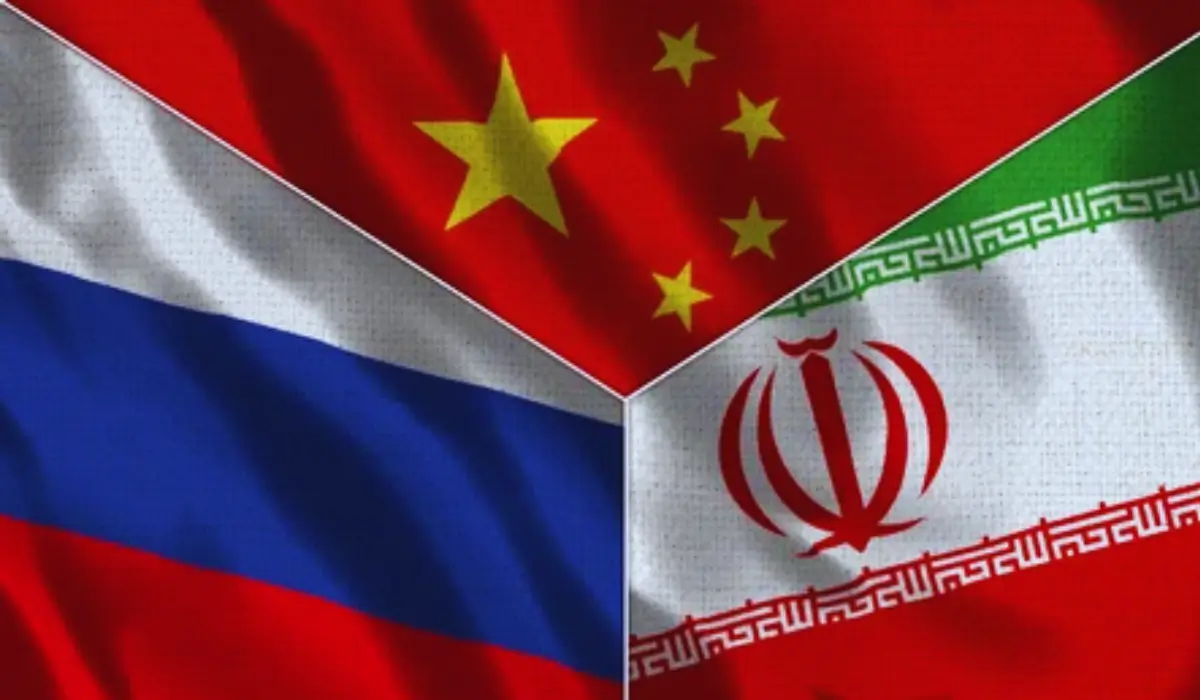
By In a move signaling deepening trilateral military cooperation, Iran, Russia, and China are set to conduct Joint military exercises in the strategic waters off Iran’s southeastern coast, near the port of Chabahar on the Gulf of Oman. Scheduled to begin this week, these drills reflect a growing alignment between the three nations in response to Western influence in the region and highlight their ambitions to expand maritime cooperation in the northern Indian Ocean.
For policymakers, defense analysts, and observers of global security, the Iran, Russia, China joint military exercises serve as a key indicator of shifting power dynamics in a region historically dominated by Western naval forces.
Overview of the Joint Military Exercises
The joint naval drills involve a significant deployment of resources from all three participating countries. According to official statements:
-
Russia will contribute two corvettes and a tanker from its Pacific Fleet.
-
China will deploy a destroyer and a supply ship, marking its continued involvement in regional security operations beyond its immediate sphere of influence.
-
Iran will field vessels from both its regular naval forces and the Revolutionary Guards Corps Navy, reflecting the nation’s comprehensive maritime capabilities.
The exercises are expected to last several days and encompass a wide array of naval operations, demonstrating the growing interoperability and coordination among these forces.
Focus Areas: Combat, Rescue, and Operational Readiness
The Iran, Russia, China joint military exercises are designed to test a broad spectrum of naval competencies, including:
-
Liberation of Captured Ships – Simulated operations to retake vessels seized by hostile forces.
-
Search and Rescue Operations – Joint drills focusing on saving lives in maritime emergencies.
-
Artillery Firing Exercises – Both at sea and in the air, testing precision targeting and coordination among multiple naval assets.
-
Technical Interoperability – Enhancing communication protocols, joint command structures, and operational synchronization.
These activities not only demonstrate the tactical capabilities of each navy but also highlight the strategic significance of combined operations in international waters, showcasing the ability of these nations to act in a coordinated manner in high-stakes scenarios.
International Observers: Expanding Geopolitical Significance
Nine countries have been invited to observe the exercises, including Pakistan, Azerbaijan, South Africa, Oman, Kazakhstan, Qatar, Iraq, the United Arab Emirates, and Sri Lanka. The presence of regional and global observers underscores the geopolitical importance of these drills. It signals that Iran, Russia, China joint military exercises are not just bilateral military engagements but a platform for broader diplomatic and defense relationships in the Indian Ocean and beyond.
Analysts suggest that the inclusion of observers may also pave the way for expanded multilateral cooperation, extending the influence of this trilateral partnership to neighboring nations and strategic maritime corridors.
Strategic Objectives Behind the Drills
Officially, the exercises are aimed at enhancing regional security, improving maritime coordination, and building multilateral cooperation. However, underlying strategic motivations are evident:
-
Countering American Hegemony – All three nations have expressed concerns over Western dominance in the region, particularly the US naval presence.
-
Strengthening Defense Readiness – These exercises allow participating nations to test new technologies, tactical strategies, and joint operational capabilities.
-
Expanding Maritime Influence – By demonstrating the ability to project power in the northern Indian Ocean, the trio signals its capacity to influence key shipping lanes and maritime trade routes.
Experts view these drills as part of a broader strategy for Iran, Russia, and China to assert a multipolar order in regional security, challenging the long-standing dominance of Western powers in maritime operations.
Historical Context: A Pattern of Growing Cooperation
This week’s exercises are part of a broader trend of increasing military collaboration among the three countries. In recent years:
-
Iran has conducted multiple naval drills in the Gulf of Oman and the Strait of Hormuz, reinforcing its defensive capabilities.
-
Russia has expanded its presence in the Indian Ocean and Middle East, deploying vessels to joint drills and supporting regional allies.
-
China has increased its naval footprint across critical maritime chokepoints, including the South China Sea, the Gulf of Aden, and now near Iran’s coast.
This pattern of cooperation demonstrates not only tactical alignment but also shared strategic objectives, particularly regarding counterbalancing Western influence and securing critical maritime routes.
Implications for Regional Security
The Iran, Russia, China joint military exercises have significant implications for regional security dynamics:
-
Shift in Maritime Power Balance – Historically, the Indian Ocean has seen strong Western naval presence. These exercises challenge that dominance and introduce alternative power centers.
-
Strengthening Alliances – The drills deepen military ties between Tehran, Moscow, and Beijing, establishing a foundation for future collaboration in defense, technology, and intelligence.
-
Diplomatic Signaling – The involvement of observers demonstrates a willingness to extend influence beyond the core trilateral partners, enhancing diplomatic leverage in the region.
-
Deterrence of External Intervention – By displaying coordinated naval strength, these nations signal their capacity to respond to external threats, potentially deterring unilateral actions by Western powers.
Analysts caution, however, that while the exercises reflect growing cooperation, operational and logistical challenges remain. Integrating diverse military doctrines, equipment, and command structures across three different nations is complex, and real-world joint combat readiness may still require further refinement.
Global Business and Trade Considerations
The geopolitical shifts highlighted by these exercises also carry economic and business implications. The northern Indian Ocean is a critical hub for global trade, including energy shipments from the Middle East to Asia, Europe, and the Americas. Strengthening trilateral naval cooperation in these waters could:
-
Affect maritime security and shipping insurance rates.
-
Influence the logistics strategies of multinational corporations reliant on these trade routes.
-
Alter energy markets by securing or threatening access to key oil and gas passages.
For investors, understanding the trajectory of Iran, Russia, China joint military exercises is essential for assessing risk in international trade, shipping, and energy markets.
Expert Analysis: Motivations Behind the Partnership
Experts point to several shared strategic motivations:
-
Geopolitical Counterbalance: The three nations aim to counter what they perceive as Western domination, particularly US influence in the Indian Ocean and surrounding regions.
-
Technological Integration: Joint drills allow testing of advanced communication systems, naval weaponry, and logistical coordination.
-
Regional Influence: By demonstrating military interoperability, Iran, Russia, and China aim to expand influence over regional partners and observers.
The trilateral nature of the exercises also enables lessons in multi-national command structures, which could be critical in any future coordinated response to security threats or crises.
Challenges and Limitations
While the Iran, Russia, China joint military exercises signal growing cooperation, there are inherent challenges:
-
Operational Compatibility: Differences in naval technology, doctrine, and training standards may limit efficiency.
-
Political Coordination: Divergent national interests could create friction during extended operations.
-
Regional Response: Western powers and neighboring countries may increase naval patrols or implement counter-strategies, leading to heightened tensions.
Despite these challenges, the exercises represent a clear signal of strategic intent and long-term planning among the three nations.
Conclusion: A Strategic Signal to the World
The upcoming Iran, Russia, China joint military exercises mark a significant development in global security and current affairs. By deploying a diverse array of naval assets and inviting international observers, the three countries demonstrate both military capability and diplomatic ambition.
While the immediate focus is regional security and operational readiness, the broader implication is clear: Tehran, Moscow, and Beijing are increasingly willing to coordinate military strategy in response to perceived Western hegemony. These exercises underscore the evolving geopolitical landscape of the Indian Ocean and hint at the potential for a multipolar maritime order.