


 By
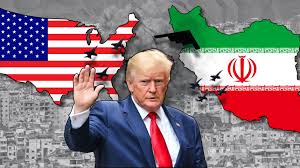
By A major breakthrough in the ongoing Iran conflict has emerged as former U.S. President Donald Trump announced a two-week ceasefire, with Iran agreeing to allow safe transit through the strategically vital Strait of Hormuz. The development signals a temporary pause in hostilities after weeks of escalating military tensions across the Middle East.
According to initial reports, both sides have agreed to halt all attacks for a period of two weeks, creating space for diplomatic negotiations. As part of the agreement, Tehran confirmed it would permit the safe movement of commercial vessels through the Strait of Hormuz, one of the world’s most critical oil shipping routes.
The ceasefire came at a critical moment, reportedly just hours before the United States was expected to launch further military strikes on Iranian targets. The last-minute agreement is being seen as an effort to prevent a wider regional war that could have drawn in multiple countries and further destabilized global markets.
Key Conditions of the Truce
The ceasefire is conditional and remains fragile. The United States demanded the “complete, immediate, and safe reopening” of the Strait of Hormuz, while Iran agreed to facilitate transit under the condition that attacks against it are halted.
This waterway is crucial for global energy supply, carrying nearly 20% of the world’s oil shipments, and had been severely disrupted during the conflict. The closure and attacks on vessels had caused oil prices to surge and triggered widespread economic concerns worldwide.
Iranian officials, however, have indicated that access to the strait may still be subject to coordination with their military forces, raising concerns about how freely ships will be able to pass during the ceasefire period.
Diplomatic Efforts and Pakistan’s Role
A significant factor behind the ceasefire has been intense diplomatic mediation, particularly by Pakistan. Officials in Islamabad played a key role in bringing both sides to the negotiating table and pushing for a temporary halt in hostilities.
Talks are expected to continue in Islamabad in the coming days, where both sides may attempt to negotiate a broader peace framework. However, analysts caution that this is only a temporary pause, not a permanent resolution.
Mixed Reactions and Ongoing Risks
While global leaders have welcomed the ceasefire, reactions remain cautious. Financial markets responded positively, with oil prices dropping and stock markets stabilizing shortly after the announcement.
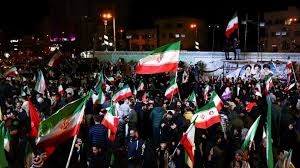
Despite this, tensions remain high. Iran has claimed the ceasefire as a strategic victory, while U.S. officials maintain that their objectives have been achieved.
Importantly, the ceasefire does not cover all conflicts in the region. Israel has indicated that its military operations in Lebanon against Hezbollah will continue, highlighting the ongoing instability in the broader Middle East.
What Happens Next
The next two weeks will be critical in determining whether this ceasefire can evolve into a lasting peace agreement. Key issues such as sanctions relief, nuclear policy, and control over the Strait of Hormuz remain unresolved.
Experts warn that any violation of the ceasefire or disagreement over its terms could quickly reignite hostilities. For now, the world is watching closely as both sides enter a delicate phase of diplomacy.
In summary, while the ceasefire offers a moment of relief and a chance for dialogue, it remains a temporary and uncertain step toward peace in a highly volatile conflict.
FAQs – Iran Ceasefire and Strait of Hormuz Agreement
1. What did Donald Trump announce regarding Iran?
Donald Trump announced a two-week ceasefire in the ongoing conflict with Iran to pause military operations and allow diplomatic talks.
2. What is the main condition of the ceasefire?
The key condition is that both sides will stop attacks, and Iran will allow safe transit of ships through the Strait of Hormuz during this period.
3. Why is the Strait of Hormuz important?
Strait of Hormuz is one of the world’s most critical waterways, carrying around 20% of global oil shipments, making it vital for the global economy.
4. How long will the ceasefire last?
The ceasefire is set for two weeks, during which negotiations are expected to take place.
5. Why was the ceasefire agreed upon now?
The agreement came just before potential escalation, as the U.S. was reportedly preparing for further strikes, increasing the risk of a larger regional war.
6. What role did Pakistan play in this agreement?
Pakistan played a mediating role, helping bring both sides to the table and supporting diplomatic efforts to reduce tensions.
7. Will the ceasefire lead to permanent peace?
Not necessarily. The ceasefire is temporary, and long-term peace will depend on future negotiations and agreements.
8. How did global markets react to the ceasefire?
Global markets responded positively, with oil prices stabilizing and investor confidence improving after the announcement.
9. Are all conflicts in the region included in the ceasefire?
No, the ceasefire does not cover all regional conflicts. Some military operations, especially involving other groups in the Middle East, may continue.