


 By
By The ongoing conflict between Iran and Israel has entered a more dangerous phase over the past two days, with both sides launching large-scale attacks and escalating military pressure. Airstrikes, missile launches, and rising political tensions have created a volatile situation across the region, raising fears of a prolonged and wider war.
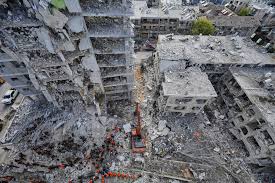
In the last 48 hours, Israel has significantly expanded its military operations inside Iran. Dozens of airstrikes were carried out targeting key Iranian military installations, including air defence systems and missile launch sites. These attacks are part of an effort to weaken Iran’s ability to respond and to limit its offensive capabilities. Reports indicate that multiple strategic locations across central and western Iran were hit, causing damage to critical infrastructure.
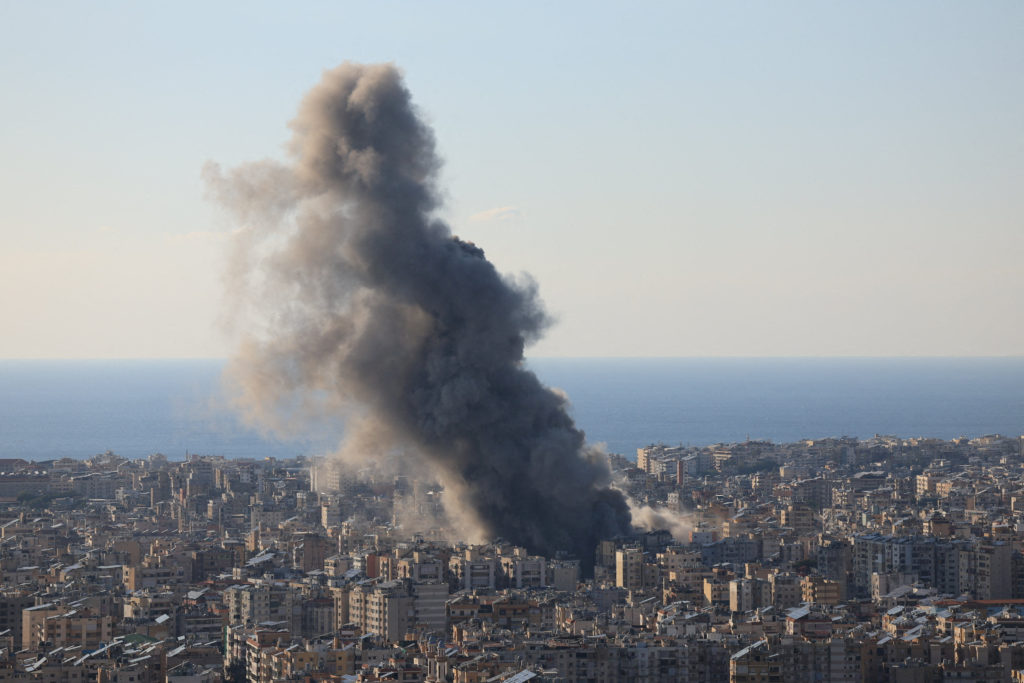
Iran, in response, has intensified its missile attacks on Israeli territory. Several missiles reportedly struck different areas, causing destruction and panic among civilians. The repeated exchanges of strikes highlight the growing intensity of the conflict, as neither side appears willing to step back. The situation remains tense, with both countries maintaining high alert and continuing military operations.
The United States has also played a significant role in recent developments. In a major operation, US forces carried out a rescue mission inside Iranian territory after a fighter jet was downed. Two airmen were reportedly recovered, though the mission further increased tensions between Washington and Tehran. This direct involvement has added another layer of complexity to the conflict.
At the same time, strong warnings have been issued by US leadership. A clear message was delivered that if the Strait of Hormuz is not reopened, key Iranian infrastructure such as power plants and bridges could be targeted. This warning has heightened global concern, as any disruption in the Strait of Hormuz could severely impact international oil supply and global markets.
Despite the ongoing violence, diplomatic efforts are still continuing behind the scenes. A peace proposal has been communicated through regional intermediaries, aiming to reduce tensions and open the door for negotiations. Iran has responded by outlining its own conditions, stating that it has not rejected dialogue but requires certain terms to be met before formal talks can begin.
The roots of the current escalation trace back to a large-scale strike launched earlier, which triggered a chain reaction of retaliation from both sides. Since then, the situation has rapidly evolved into continuous military exchanges, with both Iran and Israel targeting each other’s strategic assets.
The developments of the last two days clearly indicate that the conflict is intensifying rather than slowing down. Increased air raids, missile attacks, and political threats suggest that both sides are preparing for a longer confrontation. The risk of further escalation remains high, especially with external powers becoming more involved.
As the situation unfolds, global attention remains focused on the region. Concerns about stability, energy supply, and the possibility of a broader conflict continue to grow. With no immediate ceasefire in sight, the coming days will be crucial in determining whether diplomacy can prevail or if the war will expand further.
FAQs – Iran–Israel War (Latest Update)
1. What triggered the recent Iran–Israel conflict?
The conflict escalated after large-scale airstrikes were launched on Iranian targets, leading to retaliatory missile attacks and continuous military exchanges.
2. What happened in the last 48 hours?
In the past two days, both sides carried out heavy attacks, including airstrikes on military sites and missile launches targeting key locations.
3. Which areas were targeted in Iran?
Air defence systems, missile bases, and strategic military locations in central and western Iran were reportedly targeted.
4. How has Iran responded to the attacks?
Iran responded by launching missiles toward Israeli territory, causing damage and increasing tensions in the region.
5. Is the United States involved in the conflict?
Yes, the US has been involved, including conducting a rescue mission for downed airmen and issuing strong warnings to Iran.
6. What is the Strait of Hormuz issue?
The Strait of Hormuz is a key global oil route. Threats to close or block it have raised serious concerns about global energy supply.
7. Are there any peace talks happening?
Yes, efforts are ongoing through intermediaries, with proposals shared, but both sides have set conditions for negotiations.
8. Has civilian life been affected?
Yes, missile strikes and air raids have caused damage in populated areas, creating fear and disruption among civilians.
9. Could this conflict turn into a larger war?
There is a high risk of escalation, especially with increasing military actions and involvement of other countries.
10. What can happen next?
The situation may either move toward diplomatic talks or escalate further depending on military actions and international pressure.