


 By
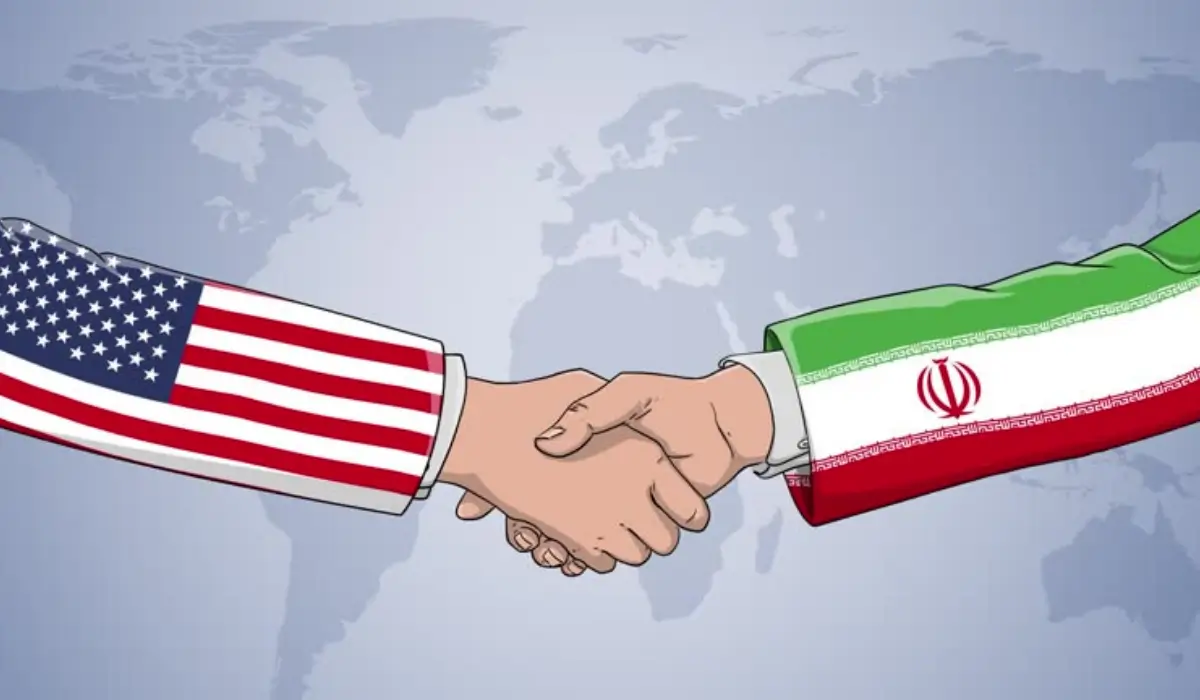
By The geopolitical climate in 2026 is becoming increasingly volatile as tensions between the United States and Iran continue to escalate. In a significant development, Donald Trump has announced that a U.S. delegation will travel to Islamabad in an effort to revive diplomatic negotiations. However, Iran has already declined participation, casting uncertainty over the effectiveness of this initiative.
This situation marks a critical moment in global diplomacy, with implications not only for the Middle East but also for global energy markets, international trade, and geopolitical stability.
Background: Rising US-Iran Tensions
Relations between the United States and Iran have been strained for decades, but recent developments have pushed both nations closer to direct confrontation. The current crisis stems from disputes over Iran’s nuclear ambitions, economic sanctions imposed by the United States, and control over key strategic routes.
Earlier this month, Islamabad hosted rare face-to-face discussions between the two countries. These talks were seen as a breakthrough, given the lack of direct communication in recent years. However, despite hours of negotiations, both sides failed to reach an agreement.
Key issues included:
- Iran’s nuclear program
- U.S. economic sanctions
- Regional military activities
- Control of the Strait of Hormuz
The failure of these talks set the stage for the current diplomatic standoff.
Trump’s Announcement: A Renewed Push for Talks
In a recent statement, Donald Trump confirmed that a U.S. delegation would travel to Islamabad on Monday to resume negotiations. The move signals Washington’s willingness to continue diplomatic efforts, even amid rising tensions.
However, Trump’s rhetoric has remained firm and, at times, aggressive. He has warned of severe consequences if Iran refuses to cooperate, including potential military actions targeting critical infrastructure.
This dual strategy—combining diplomacy with pressure—reflects the United States’ broader approach to dealing with Iran. While Washington claims it seeks peace, its actions suggest it is also prepared for escalation if necessary.
Iran’s Position: Firm Rejection
Iran has responded decisively by refusing to participate in the upcoming talks. Officials in Tehran have cited several reasons for their decision:
- Continued U.S. sanctions and economic pressure
- The naval blockade imposed by the United States
- Alleged violations of previous ceasefire understandings
- A lack of trust in U.S. intentions
Iran has also condemned recent U.S. actions, including the seizure of an Iranian vessel near the Strait of Hormuz. According to Iranian officials, such actions undermine any possibility of meaningful dialogue.
From Iran’s perspective, entering negotiations under military pressure would weaken its position and signal submission to U.S. demands.
The Strategic Importance of the Strait of Hormuz
At the center of the crisis lies the Strait of Hormuz, one of the most critical chokepoints in the global energy supply chain. A significant portion of the world’s oil passes through this narrow waterway, making it a focal point of geopolitical tension.
Recent developments have intensified concerns:
- The United States has increased its naval presence in the region
- Iran has threatened countermeasures
- Commercial shipping routes have been disrupted
Any conflict in this region could lead to a sharp rise in global oil prices, affecting economies worldwide.
Pakistan’s Role as a Mediator
Pakistan has emerged as a key diplomatic player by hosting talks between the United States and Iran. Its role as a mediator highlights its growing importance in international relations.
Islamabad offers a neutral platform for dialogue, making it an ideal location for sensitive negotiations. The country’s involvement also reflects its strategic position between the Middle East and South Asia.
However, Iran’s refusal to participate in the upcoming talks presents a challenge for Pakistan’s diplomatic efforts. Without both parties at the table, the chances of a breakthrough remain slim.
Diplomacy vs Escalation
The current situation highlights a paradox: while diplomatic efforts continue, military tensions are simultaneously increasing.
On one hand:
- The U.S. is sending a delegation to Islamabad
- There is still an open channel for negotiation
On the other hand:
- Military activities in the region are intensifying
- Threats and counter-threats are escalating
- Trust between the two nations is deteriorating
This contradiction makes the situation particularly fragile and unpredictable.
Global Economic Impact
The ongoing tensions are already having significant economic consequences.
Energy Markets
Disruptions in the Strait of Hormuz have led to fluctuations in global oil prices. Any further escalation could trigger a major energy crisis.
Trade and Supply Chains
Increased uncertainty has affected international trade routes, leading to delays and higher costs.
Inflation Risks
Rising energy prices could contribute to global inflation, impacting economies far beyond the Middle East.
Humanitarian Concerns
Beyond politics and economics, the crisis has serious humanitarian implications.
- Civilian populations in affected regions face growing insecurity
- Displacement and migration could increase
- Access to essential resources may become limited
The longer tensions persist, the greater the risk to human lives and regional stability.
Why Iran Is Refusing Talks
Iran’s decision to reject the talks is rooted in strategic considerations rather than simple defiance.
Key Factors:
1. Negotiation Leverage
By refusing to participate, Iran may be attempting to pressure the United States into making concessions.
2. Domestic Politics
Taking a strong stance against U.S. pressure can strengthen internal political support.
3. Timing Strategy
Iran may prefer to negotiate at a later stage when conditions are more favorable.
This suggests that while Iran is currently refusing talks, it may not be rejecting diplomacy entirely.
What Happens Next?
The situation remains highly uncertain, with several possible outcomes:
1. Talks Proceed Without Iran
The U.S. delegation may still visit Islamabad, but without Iran, discussions will have limited impact.
2. Backchannel Diplomacy
Indirect negotiations through intermediaries like Pakistan could continue behind the scenes.
3. Increased Military Tensions
Further escalation in the region could lead to direct conflict.
4. Diplomatic Breakthrough
Though unlikely in the short term, international pressure could bring both sides back to the table.
Global Reactions
The international community is closely watching developments.
- European nations have expressed concern over rising tensions
- Energy markets are reacting to instability
- Regional powers are preparing for potential fallout
The outcome of this crisis will likely shape global geopolitics for years to come.
Why This Story Matters
This is not just a regional conflict—it is a global issue with far-reaching consequences.
- It affects global oil supply and energy prices
- It influences international diplomacy and alliances
- It poses risks to global economic stability
For readers and policymakers alike, understanding this situation is essential.
Conclusion
The announcement that a U.S. delegation will travel to Islamabad, despite Iran’s refusal to participate, underscores the fragile state of global diplomacy.
While efforts to revive negotiations continue, the gap between the United States and Iran remains significant. The combination of diplomatic initiatives and military tensions creates a highly volatile environment.
The coming days will be crucial in determining whether this situation moves toward resolution or further escalation. For now, the world watches closely as events unfold in one of the most sensitive geopolitical crises of our time.