


 By
By As the US–Iran ceasefire talks approach a critical deadline, global attention has shifted to an intense wave of diplomacy aimed at preventing renewed conflict. With only hours left before the truce expires, the US–Iran ceasefire talks have entered a decisive phase, with multiple countries stepping in to support dialogue and de-escalation.
Urgency Builds Around US–Iran Ceasefire Talks
The urgency surrounding the US–Iran ceasefire talks has increased significantly after Donald Trump announced that extending the ceasefire is “highly unlikely.” The temporary truce between the United States and Iran was designed to create space for negotiations, but time is now running out.
Reports indicate that a high-level US delegation, possibly including Vice President JD Vance, is heading to Islamabad to participate in the next round of US–Iran ceasefire talks. At the same time, Iranian officials have suggested that Tehran is considering joining the discussions, although no official confirmation has been made.
This moment highlights how crucial the US–Iran ceasefire talks have become—not just for the two nations, but for global stability.
Islamabad Emerges as Key Venue for US–Iran Ceasefire Talks
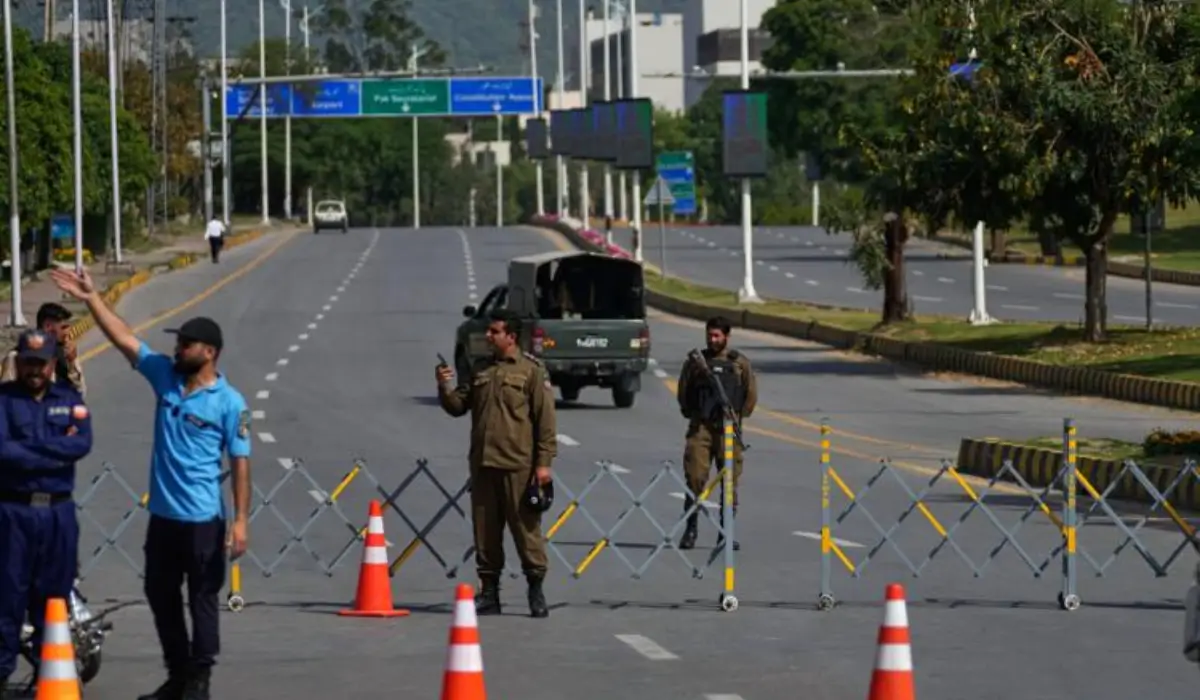
The role of Pakistan in hosting the US–Iran ceasefire talks has placed Islamabad at the center of international diplomacy. The city is witnessing extraordinary security arrangements as preparations continue for what could be a historic round of negotiations.
Prime Minister Shehbaz Sharif has actively supported the US–Iran ceasefire talks, engaging with global leaders and emphasizing the importance of continued dialogue. Pakistan’s diplomatic efforts aim to ensure that the US–Iran ceasefire talks remain productive and focused.
The government has also taken steps to reduce tensions, which may have encouraged Iran to reconsider participation in the US–Iran ceasefire talks. These developments demonstrate how regional actors are playing a critical role in sustaining diplomatic momentum.
Conflicting Messages Complicate US–Iran Ceasefire Talks
Despite ongoing efforts, the US–Iran ceasefire talks are facing significant challenges due to conflicting signals from both sides.
President Trump has expressed optimism about reaching a new agreement, claiming it could surpass the Joint Comprehensive Plan of Action. However, his statements about “regime change” have raised concerns in Tehran and complicated the tone of the US–Iran ceasefire talks.
On the other side, Iranian President Masoud Pezeshkian has criticized what he described as “contradictory and unconstructive” messages from the US. He stressed that trust and commitment are essential for meaningful US–Iran ceasefire talks.
This lack of trust continues to be one of the biggest obstacles in the US–Iran ceasefire talks, making it harder to reach a lasting agreement.
Global Powers Closely Watching US–Iran Ceasefire Talks
The importance of the US–Iran ceasefire talks extends far beyond bilateral relations. Major global powers are closely monitoring developments, as the outcome could impact economic stability and regional security.
Chinese President Xi Jinping has emphasized the need to keep trade routes open, particularly through the Strait of Hormuz. Any disruption in this area could have serious consequences for global energy supplies, making the US–Iran ceasefire talks even more critical.
European leaders, including Emmanuel Macron, have also voiced strong support for diplomacy. The European Council has encouraged both sides to continue the US–Iran ceasefire talks and avoid escalation.
Russia has similarly expressed hope that the US–Iran ceasefire talks will continue, highlighting the global desire for a peaceful resolution.
Key Issues in US–Iran Ceasefire Talks
Several complex issues are being discussed as part of the US–Iran ceasefire talks, each requiring careful negotiation:
- Nuclear program limitations and verification
- Sanctions relief for Iran
- Maritime security and freedom of navigation
- Regional stability and de-escalation
These topics are central to the US–Iran ceasefire talks, and progress on any of them could help extend the ceasefire and build trust.
Trust Deficit Challenges US–Iran Ceasefire Talks
A major barrier to successful US–Iran ceasefire talks is the deep-rooted mistrust between the two nations. Years of conflict, broken agreements, and opposing geopolitical interests have created a fragile environment.
For Iran, the US withdrawal from the 2015 nuclear deal remains a key issue. For the United States, concerns about Iran’s regional influence continue to shape its approach to the US–Iran ceasefire talks.
Overcoming this trust deficit is essential if the US–Iran ceasefire talks are to produce meaningful results.
Risks if US–Iran Ceasefire Talks Fail
If the US–Iran ceasefire talks fail to produce an agreement before the deadline, the consequences could be severe. The end of the ceasefire may lead to renewed tensions and possible conflict.
Potential outcomes of failed US–Iran ceasefire talks include:
- Escalation of military actions
- Disruptions in global oil supply
- Increased instability in the Middle East
- Rising geopolitical tensions worldwide
These risks highlight why the US–Iran ceasefire talks are so important at this moment.
A Narrow Window for Success in US–Iran Ceasefire Talks
Despite the challenges, there is still hope that the US–Iran ceasefire talks can succeed. The willingness of both sides to consider dialogue suggests that diplomacy remains a viable option.
Islamabad’s role as a neutral venue provides an opportunity for focused and constructive US–Iran ceasefire talks. With support from global leaders, there is potential for progress if both sides act quickly.
However, the limited timeframe means that decisions made during the US–Iran ceasefire talks will be crucial in shaping the outcome.
Conclusion: The Future of US–Iran Ceasefire Talks
The next few hours will determine the fate of the US–Iran ceasefire talks. As the deadline approaches, the pressure on negotiators continues to grow.
The US–Iran ceasefire talks represent more than just a diplomatic effort—they are a test of whether dialogue can overcome conflict. The outcome will have lasting implications not only for the United States and Iran but for the entire world.
In this critical moment, the success or failure of the US–Iran ceasefire talks will define the path forward, making it one of the most important geopolitical developments to watch.