


 By
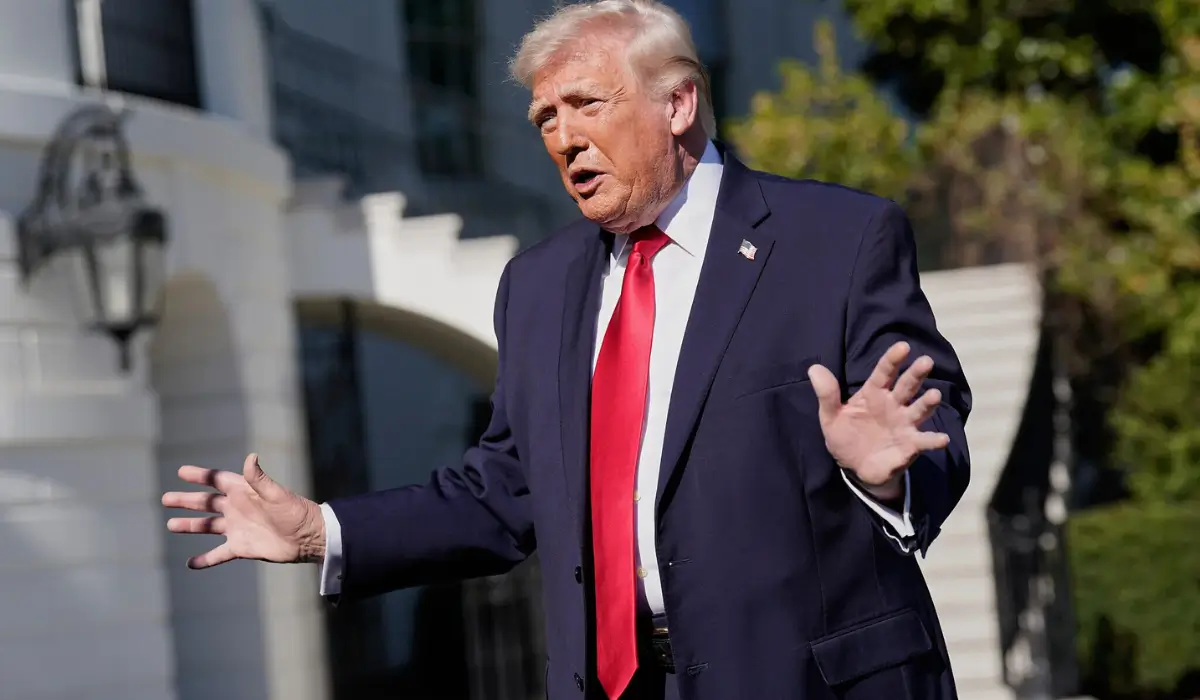
By In a dramatic and unexpected statement, Donald Trump claimed that a long-anticipated agreement between the United States and Iran would be signed “tonight” in Islamabad. The announcement instantly captured global attention, raising hopes of a diplomatic breakthrough—while also fueling skepticism due to conflicting signals from Tehran and the broader geopolitical context.
At a time when tensions remain dangerously high and a fragile ceasefire teeters on the brink of collapse, such a declaration carries enormous weight. But how realistic is this claim? And what does it reveal about the current state of US-Iran relations and Pakistan’s emerging diplomatic role?
Trump’s Statement: Optimism or Pressure Tactic?
Trump made the remark during a media interview, confidently asserting that a deal with Iran would be finalized imminently in Islamabad.
According to reports, he did not provide concrete details about the agreement itself or the exact timing, leaving analysts and observers questioning the basis of his confidence. Adding to the intensity of his statement, Trump reportedly warned that if the deal failed, the United States would take severe military action against Iran’s infrastructure.
This combination of optimism and threat is not new in Trump’s diplomatic playbook. Throughout his political career, he has often blended bold claims with high-pressure rhetoric, aiming to shape negotiations through public messaging as much as private diplomacy.
Yet, the lack of confirmation from Iran—and even uncertainty about whether talks would take place at all—has cast doubt on the immediacy of any agreement.
Tehran’s Silence and Strategic Ambiguity
While Washington signals urgency, Tehran has responded with caution—and, so far, silence on Trump’s claim.
Iranian officials have not confirmed participation in a second round of talks in Islamabad, let alone any imminent signing of an agreement. This absence of confirmation is significant, suggesting that negotiations may not be as advanced as Trump implies.
Some analysts interpret this as a strategic move by Iran. By withholding commitment, Tehran may be attempting to:
- Gain leverage in negotiations
- Avoid appearing pressured by US demands
- Test the seriousness of Washington’s diplomatic intentions
Others argue that internal divisions within Iran’s leadership or dissatisfaction with current terms could be delaying a decision.
Whatever the reason, the gap between Trump’s confidence and Iran’s hesitation highlights the uncertainty surrounding the process.
Islamabad: From Observer to Power Broker
Amid this uncertainty, one fact is clear: Pakistan has become a central player in one of the world’s most sensitive diplomatic efforts.
Hosting direct US-Iran talks is no small feat. The two countries have had strained relations for decades, with no formal diplomatic ties since 1979. The fact that Islamabad is now serving as a potential venue for negotiation reflects its growing importance on the global stage.
Pakistan’s role is shaped by several factors:
- Strong historical ties with Iran
- Strategic partnership with the United States
- A geographic position that places it at the crossroads of regional politics
By offering itself as a neutral ground, Pakistan is attempting to bridge a deep and complex divide—one that has implications far beyond the Middle East.
The Stakes: Nuclear Ambitions and Regional Stability
At the heart of the negotiations lies a familiar but unresolved issue: Iran’s nuclear program.
The United States has long insisted that Iran must abandon any ambitions to develop nuclear weapons. Trump has repeatedly emphasized that any deal must ensure this outcome, framing it as a non-negotiable condition. (New York Post)
Iran, on the other hand, maintains that its nuclear program is for peaceful purposes and has resisted what it sees as excessive demands or unfair restrictions.
Beyond the nuclear issue, the talks also involve:
- Economic sanctions imposed on Iran
- Military tensions in the region
- Control of key trade routes, including the Strait of Hormuz
These overlapping issues make any agreement extremely complex—far from something that can be finalized overnight.
A Fragile Ceasefire Nearing Its End
Adding urgency to the situation is the looming expiration of a temporary ceasefire between the United States and Iran.
The ceasefire, brokered earlier in April, is set to expire within days. If no agreement is reached, there is a real risk of renewed conflict—potentially escalating into a broader regional crisis.
Recent developments have already strained the truce:
- Accusations of ceasefire violations
- Military posturing in strategic
- Continued economic pressure on Iran
In this context, Trump’s claim of an imminent deal could be seen as an attempt to push negotiations forward before time runs out.
Contradictions and Confusion
Despite the headline-grabbing nature of Trump’s statement, multiple reports suggest a more complicated reality.
Some reports indicate that no meeting between US and Iranian representatives had even taken place at the time of his claim. Others highlight ongoing disagreements and logistical uncertainties surrounding the talks.
There are also inconsistencies regarding the movement of US officials. While Trump suggested that key figures were en route to Islamabad, other reports indicated delays or unclear timelines.
This pattern of mixed messaging has contributed to confusion, making it difficult to assess the true status of negotiations.
Is a Deal Really Possible “Tonight”?
From a practical standpoint, the idea of finalizing a comprehensive US-Iran agreement within hours raises serious questions.
Historically, such deals take months—if not years—of detailed negotiation. The 2015 nuclear agreement, for example, involved years of diplomacy and technical discussions.
In contrast, the current situation involves:
- Active military tensions
- Deep mistrust between both sides
- Multiple unresolved मुद्दे
Given these complexities, many experts believe that even if progress is made, a final agreement is unlikely to materialize as quickly as Trump suggests.
Instead, his statement may serve other purposes:
- Signaling confidence to domestic audiences
- Pressuring Iran to engage
- Shaping international perception of US leadership
Pakistan’s Balancing Act
For Pakistan, the situation presents both an opportunity and a challenge.
On one hand, successfully hosting a breakthrough agreement would significantly enhance its global standing. It would demonstrate Islamabad’s ability to mediate between major powers and contribute to international peace.
On the other hand, failure—or even prolonged uncertainty—could expose the limits of its influence.
Pakistan must also navigate its own العلاقات with both countries carefully, ensuring that its role as a mediator remains credible and impartial.
Public and Global Reaction
Trump’s statement has sparked a wide range of reactions:
- Optimism: Some see it as a sign that diplomacy is working
- Skepticism: Others question the credibility of the claim
- Concern: Many worry about the consequences if no deal is reached
Global markets and political observers are closely watching developments, particularly given the potential impact on oil prices and regional stability.
Conclusion: Between Hope and Reality
The idea of a US-Iran deal being signed “tonight” in Islamabad is both compelling and controversial. It reflects the urgency of the moment—but also the unpredictability of modern diplomacy.
While Donald Trump projects confidence, the absence of confirmation from Iran and the broader complexities of the situation suggest that a breakthrough may not be as imminent as claimed.
Still, the fact that such talks are even being considered is significant. It highlights the enduring importance of dialogue—even between adversaries—and underscores Pakistan’s emerging role as a facilitator of global diplomacy.
Whether or not a deal is signed in Islamabad tonight, the larger story is still unfolding. And in that story, uncertainty remains the only constant.