


 By
By The twin cities of Islamabad and Rawalpindi have recently come to a near standstill following an unprecedented suspension of public and goods transport. The abrupt decision, enforced by local administrations, reflects heightened security concerns amid evolving diplomatic developments—but it has also triggered widespread disruption, confusion, and economic ripple effects across the region.
This blog explores what led to the shutdown, how it is impacting citizens, and what it reveals about governance and crisis management in Pakistan’s urban centres.
A Sudden Halt: What Happened?
Authorities in both Islamabad and Rawalpindi ordered the immediate suspension of transport services, including public buses, private vehicles, and even goods carriers. The directive came without a clear timeline, leaving millions uncertain about when normal operations would resume.
Officials stated that all heavy and public transport would remain suspended until further notice, urging citizens to cooperate with security agencies. In Rawalpindi, the restrictions were even more sweeping. The district administration halted all categories of transport—public, private, and goods—effective immediately, signaling the seriousness of the situation.
The result? Roads emptied, bus terminals went quiet, and intercity travel came to a sudden halt.
The Security Factor: Why Such Extreme Measures?
The transport shutdown did not occur in isolation. It is closely linked to heightened security preparations in Islamabad, particularly amid speculation about a possible second round of high-level diplomatic talks between the United States and Iran.
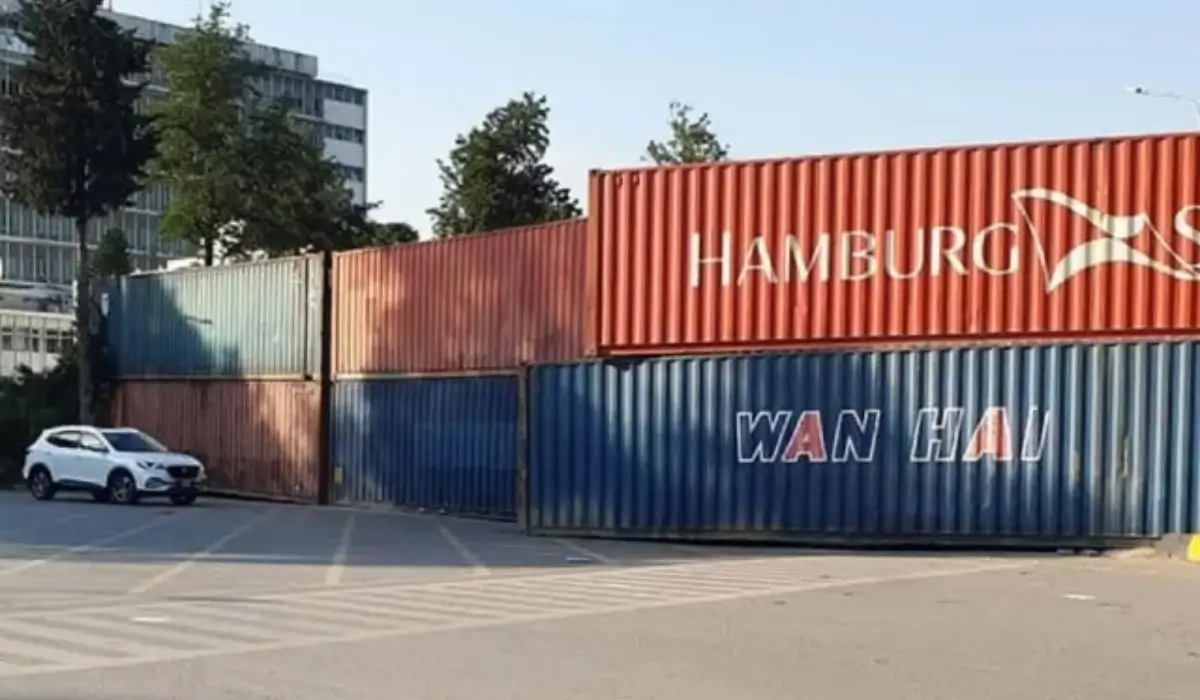
Authorities have been on high alert, with intensified patrols, restricted entry points, and strict monitoring across both cities. The aim is clear: prevent any security lapse during a sensitive diplomatic window.
Such measures are not unprecedented in Pakistan. In times of political unrest, protests, or international engagements, authorities have often resorted to lockdown-style restrictions to maintain order. However, the scale and immediacy of this particular shutdown stand out.
Metro Bus and Local Transport Disruptions
One of the most visible impacts of the shutdown has been on the daily commuting system. The Metro Bus service—widely used by thousands of residents—was partially suspended.
- Service between key stations like PIMS and Pak Secretariat was halted
- Limited operations continued only on select routes
- Full restoration remains uncertain
For many residents, especially those without private vehicles, this disruption has made commuting nearly impossible. Students, office workers, and daily wage earners have been among the hardest hit.
Intercity Travel Comes to a Standstill
The shutdown extended beyond city limits. Public transport connecting Islamabad and Rawalpindi with other regions—including Khyber Pakhtunkhwa—was also suspended.
Transport operators were instructed not to issue tickets for routes դեպի the twin cities, effectively isolating them from the rest of the country. Passengers in cities like Peshawar reported being stranded at terminals, unable to travel due to the sudden halt in services. This has not only disrupted personal travel plans but also raised concerns about accessibility in emergency situations.
What About Goods Transport?
Initially, there was uncertainty regarding goods transport. While some reports suggested that essential supply chains might remain operational, others indicated a broader suspension.
In practice, restrictions on goods transport have already begun to affect supply flows. The movement of perishable items like fruits and vegetables has slowed, raising fears of shortages and price increases in local markets.
For a region heavily dependent on intercity logistics, even short-term disruptions can have lasting economic consequences.
Confusion and Contradictions
Adding to public frustration is the lack of consistent communication from authorities.
In some instances, officials denied reports of transport closures, insisting that operations were continuing as usual.
Yet, on the ground, transporters and passengers reported the opposite—services suspended, terminals inactive, and bookings cancelled.
This contradiction highlights a recurring issue: the gap between official statements and public experience. In crisis situations, such inconsistencies can erode trust and amplify uncertainty.
Economic and Social Impact
The suspension of transport is not just an inconvenience—it has far-reaching implications:
1. Daily Wage Workers
Many individuals rely on daily commuting for their livelihoods. With transport halted, incomes have been disrupted overnight.
2. Small Businesses
Retailers and vendors dependent on timely deliveries are facing supply shortages, affecting both sales and pricing.
3. Healthcare Access
Patients needing to travel for medical treatment may face delays, especially those coming from outside the cities.
4. Education Disruptions
Students commuting to schools and universities are struggling to attend classes, particularly in areas with limited alternatives.
A City Under Lockdown-Like Conditions
While not officially labeled a “lockdown,” the situation in Islamabad and Rawalpindi resembles one in many ways:
- Restricted mobility
- Limited public services
- Heavy security presence
- Reduced economic activity
The difference, however, lies in the cause—not a health crisis, but a security and diplomatic one.
Public Response: Frustration and Adaptation
Residents have responded with a mix of frustration and resilience.
Some have turned to alternative means of transport, such as ride-hailing services or carpooling. Others have postponed travel altogether, waiting for clarity.
Social media platforms have been flooded with queries, complaints, and updates, reflecting the widespread confusion and concern.
Governance Challenges and Lessons
This situation raises important questions about urban governance and crisis management:
- Was the shutdown planned effectively?
- Could better communication have reduced confusion?
- Are there contingency plans for essential services?
While security is undoubtedly a priority, balancing it with public convenience and economic stability remains a complex challenge.
What Happens Next?
As of now, there is no official timeline for lifting the transport suspension. Authorities have stated that updates will be provided as the situation evolves.
Much will depend on the outcome of ongoing diplomatic developments and the overall security assessment in the coming days.
Conclusion: Between Security and Stability
The suspension of public and goods transport in Islamabad and Rawalpindi is a stark reminder of how quickly urban life can be disrupted in the face of security concerns.
While the measures aim to ensure safety, they also highlight the delicate balance between national security and everyday stability.
For residents of the twin cities, the hope is simple: a swift return to normalcy—paired with clearer communication and better planning in the future.
Until then, Islamabad and Rawalpindi remain on pause, caught between diplomacy, security, and the realities of daily life.