


 By
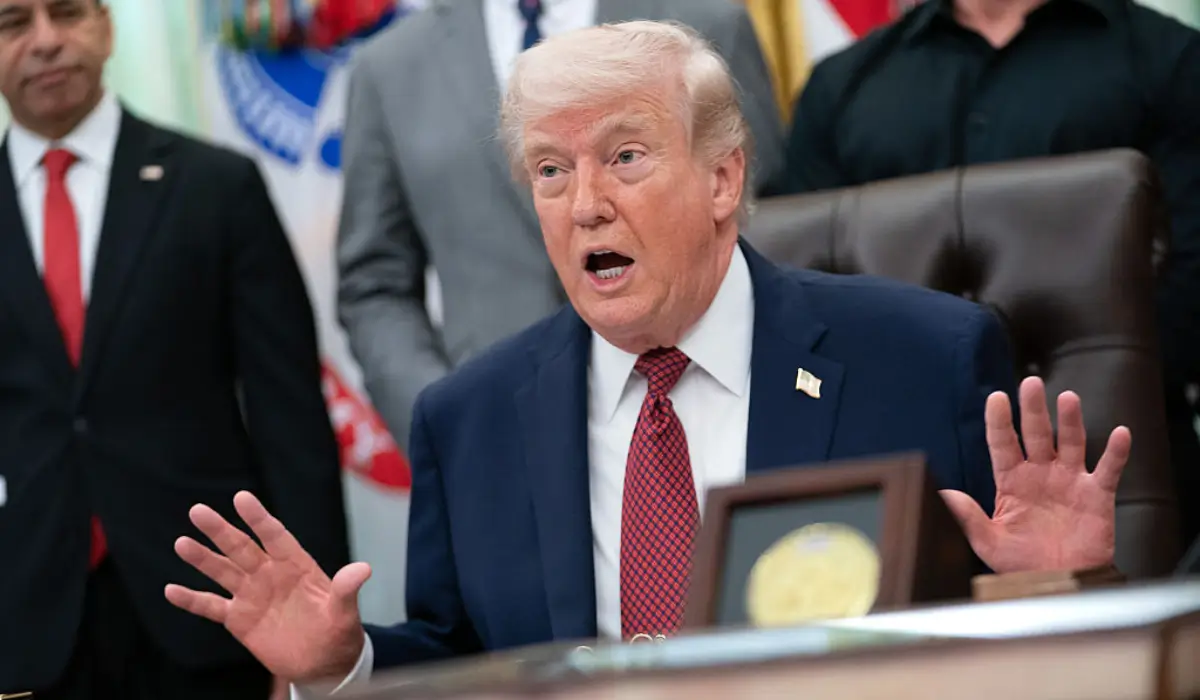
By In a significant and somewhat unexpected move, Donald Trump has extended the ceasefire between the United States and Iran, offering Tehran additional time to unify its leadership and present a formal proposal for peace.
Ceasefire Extension Linked to Iran’s Internal Divisions
According to multiple reports, the decision to extend the ceasefire came just hours before the truce was due to expire. Trump stated that the extension would remain in place until Iran submits a “unified proposal” and negotiations are concluded.
The move appears to be directly tied to internal political divisions within Iran. US officials believe that Tehran’s leadership is currently fragmented, making it difficult to respond decisively to diplomatic proposals.
By extending the ceasefire, Washington is effectively giving Iran time to resolve these internal disagreements and engage in meaningful negotiations.
Pakistan’s Role in the Ceasefire Extension
A key factor behind the extension is the mediation effort led by Pakistan. Trump acknowledged that the decision came after requests from Pakistani leadership, including Prime Minister Shehbaz Sharif.
Pakistan has been actively facilitating dialogue between the US and Iran, positioning Islamabad as a central venue for peace talks. The extension is seen as a diplomatic win for Islamabad, which is trying to prevent further escalation in the region.
Blockade Remains Despite Ceasefire
While the ceasefire has been extended, the US has made it clear that military pressure will continue in other forms. Trump confirmed that the naval blockade on Iranian ports will remain in place, and US forces are still on standby.
This dual strategy—extending the ceasefire while maintaining economic and military pressure—highlights the complex nature of the ongoing conflict. It also reflects Washington’s attempt to push Iran toward negotiations without escalating into full-scale war.
Iran’s Response: Skepticism and Resistance
Iranian officials have responded cautiously, with some expressing skepticism about the US move. Tehran has repeatedly stated that it will not negotiate “under the shadow of threats,” especially while the blockade remains in place.
The leadership in Tehran is reportedly engaged in intense internal discussions over how to respond. The delay in presenting a unified proposal suggests ongoing disagreements between different factions within the Iranian government.
Global Impact and Market Reactions
The extension of the ceasefire has had immediate global implications. Financial markets reacted with cautious optimism, as the risk of immediate conflict decreased. However, uncertainty remains high due to the lack of a concrete agreement.
At the same time, tensions around key energy routes—particularly the Strait of Hormuz—continue to raise concerns about global oil supply and economic stability.
What Happens Next?
The future of the ceasefire now depends on Iran’s next move. The extension is not indefinite in practice—it is conditional. If Iran fails to present a proposal or if talks collapse, the risk of renewed military action remains high.
Trump has already signaled that US forces are prepared to act if diplomacy fails, keeping pressure on Tehran to respond quickly.
Key Takeaways
- The US has extended the Iran ceasefire to allow time for a unified Iranian proposal
- The decision was influenced by Pakistan’s mediation efforts
- The US blockade on Iranian ports remains in place
- Iran is internally divided and has not yet confirmed participation in talks
- Global markets and energy supplies remain sensitive to developments
Conclusion
The extension of the ceasefire marks a critical moment in the ongoing US–Iran conflict. While it provides a temporary pause in hostilities, it also underscores the fragile nature of the situation.
The coming days will be decisive. Whether Iran can unify its leadership and present a proposal—and whether the US is willing to compromise—will determine whether this ceasefire leads to lasting peace or merely delays another escalation