


 By
By As the US–Iran ceasefire talks reach a critical turning point, Islamabad finds itself in a state of pause—waiting, preparing, and watching. What was expected to be a decisive round of US–Iran ceasefire talks has instead become a moment of uncertainty, with both sides hesitating and the future of the truce hanging in the balance.
Islamabad Frozen Amid US–Iran Ceasefire Talks Uncertainty
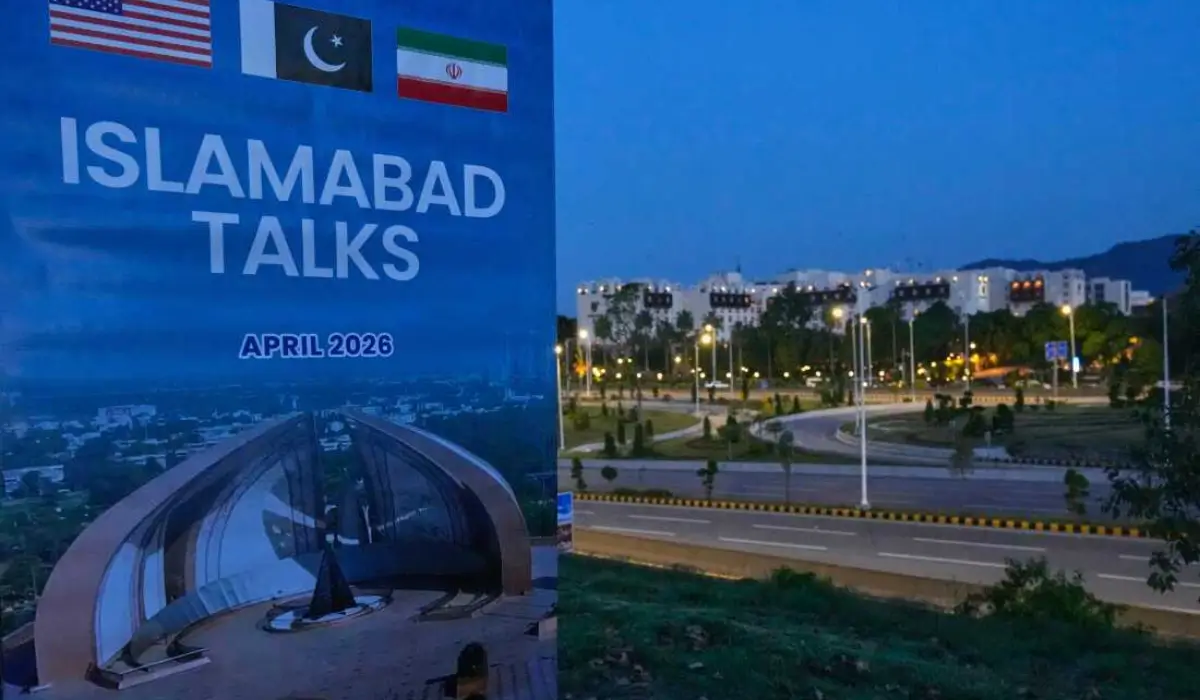
The atmosphere in Islamabad reflects the fragile state of the US–Iran ceasefire talks. Roads are blocked, security is tightened, and diplomatic venues remain on standby. The city was fully prepared to host a major breakthrough in the US–Iran ceasefire talks, but that momentum has slowed dramatically.
The delay comes as the United States and Iran struggle to align their positions. While both sides have shown some willingness to engage, the US–Iran ceasefire talks are facing serious obstacles, primarily due to mistrust and conflicting expectations.
Ceasefire Extension Adds Pressure to US–Iran Ceasefire Talks
A major development in the US–Iran ceasefire talks came when Donald Trump decided to extend the ceasefire. This move was intended to give Iran more time to unify its leadership and present a clear proposal.
However, the extension has not simplified the US–Iran ceasefire talks. Instead, it has added pressure. The extension signals that diplomacy is still possible, but it also highlights the urgency of reaching an agreement.
Without tangible progress, the US–Iran ceasefire talks risk collapsing, potentially leading to renewed tensions.
Iran’s Position Shapes US–Iran Ceasefire Talks
Iran’s cautious approach is a defining factor in the current state of the US–Iran ceasefire talks. Iranian leaders have made it clear that they will not participate in negotiations that appear one-sided or imposed under pressure.
This stance has slowed the US–Iran ceasefire talks, as Tehran continues internal discussions to determine its strategy. The leadership’s hesitation reflects deeper divisions and a broader effort to strengthen its position before entering formal negotiations.
By delaying its participation, Iran is influencing the direction and pace of the US–Iran ceasefire talks.
US Strategy and Its Impact on US–Iran Ceasefire Talks
The United States is also shaping the trajectory of the US–Iran ceasefire talks through a dual strategy. While Washington supports dialogue, it continues to apply pressure, including maintaining a strong military presence and economic measures.
President Trump’s approach to the US–Iran ceasefire talks reflects a balancing act—keeping diplomatic options open while ensuring leverage remains intact.
However, this strategy has created complications. The combination of pressure and negotiation has made it harder to build trust, which is essential for successful US–Iran ceasefire talks.
Pakistan’s Role in Supporting US–Iran Ceasefire Talks
Pakistan has emerged as a key player in facilitating the US–Iran ceasefire talks. By hosting the discussions in Islamabad, Pakistan is attempting to create a neutral and secure environment for dialogue.
Prime Minister Shehbaz Sharif has actively supported the US–Iran ceasefire talks, engaging with international leaders and encouraging both sides to remain committed to diplomacy.
Pakistan’s involvement highlights the importance of regional actors in sustaining the US–Iran ceasefire talks. The country’s efforts could play a crucial role in determining whether negotiations move forward or remain stalled.
Global Attention on US–Iran Ceasefire Talks
The US–Iran ceasefire talks are not just a regional issue—they have global implications. Countries around the world are closely monitoring the situation, recognizing that the outcome could affect international security and economic stability.
One major concern linked to the US–Iran ceasefire talks is the security of the Strait of Hormuz. Any disruption in this vital route could impact global oil supplies, making the success of the US–Iran ceasefire talks even more critical.
World leaders have called for restraint and emphasized the importance of continuing the US–Iran ceasefire talks, underscoring their global significance.
Key Challenges in US–Iran Ceasefire Talks
The US–Iran ceasefire talks face several major challenges that continue to slow progress:
- Deep mistrust between both nations
- Disagreements over negotiation terms
- Ongoing military and economic pressure
- Internal political divisions within Iran
Each of these factors complicates the US–Iran ceasefire talks, making it difficult to achieve a quick resolution.
What If US–Iran Ceasefire Talks Fail?
The stakes surrounding the US–Iran ceasefire talks are extremely high. If the talks fail, the consequences could be severe—not just for the region, but for the entire world.
A breakdown in the US–Iran ceasefire talks could lead to:
- Renewed military conflict
- Disruption in global energy markets
- Increased instability in the Middle East
- Heightened geopolitical tensions
These risks highlight why the US–Iran ceasefire talks are being closely watched by governments and markets alike.
A Critical Moment for US–Iran Ceasefire Talks
This moment represents a true test for the US–Iran ceasefire talks. The ceasefire extension has provided a limited window of opportunity, but that window is quickly closing.
If both sides can overcome their differences, the US–Iran ceasefire talks could lead to a significant diplomatic breakthrough. However, if delays continue, the talks may lose momentum entirely.
Islamabad’s current state—prepared but waiting—perfectly reflects the uncertainty surrounding the US–Iran ceasefire talks.
Conclusion: The Future of US–Iran Ceasefire Talks
The US–Iran ceasefire talks now stand at a historic tipping point. With time running out and pressure mounting, the decisions made in the coming days will be crucial.
Islamabad remains ready to host what could become a defining moment in modern diplomacy. But for now, the city waits—just as the world waits—for clarity on the future of the US–Iran ceasefire talks.
Whether these talks lead to peace or renewed conflict will depend on the willingness of both sides to compromise and engage in meaningful dialogue.
At this critical juncture, the US–Iran ceasefire talks are more than just negotiations—they are a test of whether diplomacy can still prevail in an increasingly complex global landscape.