


 By
By High-level negotiations between the United States and Iran are set to take place in Islamabad, where officials hope to ease long-standing tensions. With global attention focused on these discussions, both sides appear cautiously optimistic—but significant challenges remain.
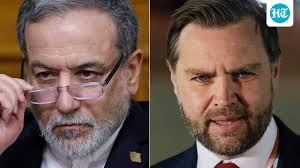
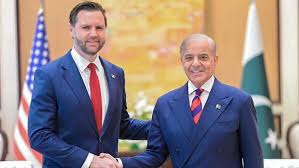
The talks will be led by JD Vance for the United States, while Iran’s delegation is expected to be co-led by Abbas Araghchi. Pakistan, acting as host, has emphasized its neutral position and strong diplomatic ties with both nations, positioning itself as a trusted mediator.
Ahead of the talks, Vance struck a hopeful yet firm tone, stating that Washington is ready for constructive dialogue—but warned that any lack of sincerity from Tehran could derail progress. This reflects the delicate balance between diplomacy and distrust that has defined US-Iran relations for decades.
Despite the positive messaging, analysts identify five key sticking points that could shape the outcome of these negotiations.
1. Nuclear Program Disputes
At the heart of tensions lies Iran’s nuclear program. The US continues to demand strict limits to prevent nuclear weapon development, while Iran insists its program is for peaceful purposes. Bridging this gap remains one of the most complex challenges.
2. Economic Sanctions
Iran is seeking relief from crippling US sanctions that have severely impacted its economy. However, Washington is reluctant to lift these restrictions without concrete commitments from Iran, creating a major deadlock.
3. Regional Influence and Security
Iran’s role in the Middle East, including its involvement in regional conflicts and alliances, is another major concern for the US. Washington wants Iran to scale back its influence, while Tehran views its presence as essential for national security.
4. Trust Deficit
Years of hostility, broken agreements, and political tensions have created deep mistrust between the two sides. Both nations are wary of making concessions without guarantees, making negotiations particularly fragile.
5. Verification and Compliance
Even if an agreement is reached, ensuring that both sides adhere to its terms will be a critical issue. Questions remain over how compliance will be monitored and enforced.
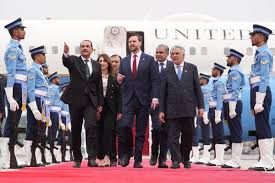
On the ground in Islamabad, preparations highlight the importance of the talks. Security has been tightened, and officials are working to ensure smooth proceedings. The choice of Pakistan as a venue reflects its growing diplomatic role in facilitating international dialogue.
Experts believe that these talks represent a crucial moment. A breakthrough could lead to reduced tensions, economic stability, and improved global security. However, failure could deepen divisions and increase the risk of further conflict.
Global markets and political observers are closely monitoring developments, as the outcome could influence energy prices, regional stability, and international alliances.
FAQs
1. Where are the US-Iran talks taking place?
The talks are being held in Islamabad, Pakistan.
2. Who is leading the US delegation?
US Vice President JD Vance is leading the American team.
3. Who represents Iran in the talks?
Iran’s delegation is expected to be co-led by Foreign Minister Abbas Araghchi.
4. What is the main issue between the US and Iran?
The primary issue is Iran’s nuclear program and related sanctions.
5. Why are sanctions important in these talks?
Iran wants sanctions lifted to improve its economy, while the US uses them as leverage.
6. What role is Pakistan playing?
Pakistan is hosting and facilitating the talks as a neutral mediator.
7. Is there hope for an agreement?
Both sides have shown willingness, but major challenges remain.
8. Why is trust a major issue?
Past conflicts and broken agreements have created deep mistrust.
9. How could this affect global markets?
The outcome may impact energy prices and global economic stability.
10. What happens if the talks fail?
Failure could increase tensions and raise the risk of further conflict.