


 By
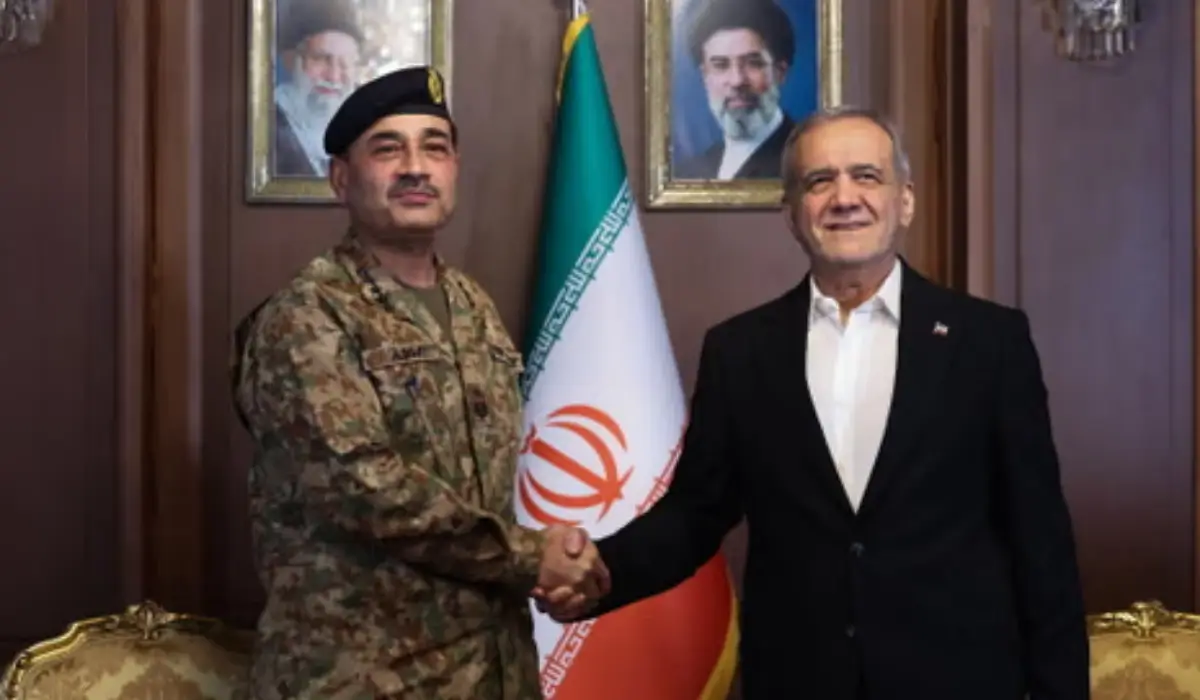
By In a dramatic turn of global diplomacy, Asim Munir has emerged as an unexpected central figure in efforts to defuse tensions between the United States and Iran. At a time when the world appeared to be inching closer to a wider regional conflict, it was Munir’s behind-the-scenes intervention that helped bring both sides to the negotiating table.
From urgent phone calls to high-level diplomatic engagements, Pakistan’s army chief has positioned himself not just as a military leader, but as a key global mediator. His role in facilitating a ceasefire and ongoing negotiations has surprised many analysts, raising questions about how he rose to such prominence on the international stage.
The Ceasefire That Changed Everything
The turning point came during a tense moment when U.S. President Donald Trump issued a stark warning to Iran, threatening severe consequences if a deal was not reached. The rhetoric was intense, and fears of escalation were growing rapidly.
Amid this crisis, it was Asim Munir’s direct intervention that helped shift the trajectory. Through a series of urgent phone calls and diplomatic outreach, he played a pivotal role in pushing both sides toward a last-minute ceasefire agreement.
According to diplomatic sources, Trump directly relied on Munir to use his understanding of Iran’s leadership and regional dynamics. This trust proved crucial in creating an “off-ramp” from what could have escalated into a much larger conflict.
When U.S. and Iranian delegations eventually met in Islamabad, Munir was not merely an observer—he was an active third party in the room, helping guide discussions and maintain dialogue.
Pakistan Steps Into the Spotlight
Pakistan’s role in these negotiations marks a significant shift in its global diplomatic standing. Long seen as a regional player, the country is now emerging as a key mediator in one of the most sensitive geopolitical conflicts.
While Munir worked directly with Iranian counterparts, Pakistan’s Prime Minister Shehbaz Sharif traveled to Saudi Arabia to build broader regional support for the peace process.
This dual-track diplomacy—military engagement on one side and civilian leadership on the other—demonstrates a coordinated national effort to position Pakistan as a credible peacemaker.
The Power of Pakistan’s Army Chief
To understand Munir’s influence, it is essential to recognize the unique role of Pakistan’s army chief.
Unlike in many countries, the position carries immense authority, often extending beyond military matters into foreign policy and national decision-making. Historically, international leaders—including U.S. presidents—have frequently preferred engaging with Pakistan’s military leadership over its civilian governments.
This dynamic has allowed figures like Munir to operate with a level of autonomy and influence that few military leaders elsewhere possess.
From Domestic Focus to Global Diplomacy
Interestingly, Asim Munir was not always seen as a global statesman.
After assuming office in 2022, his focus was largely domestic. His tenure was marked by efforts to consolidate power and manage political challenges within Pakistan. Critics often pointed to his role in shaping internal politics and strengthening the military’s influence over civilian institutions.
However, over the past 18 months, Munir has undergone a noticeable transformation.
He has actively cultivated relationships with key global players, including leaders in Washington, Riyadh, and Tehran. His frequent international visits and proactive communication style have helped him build trust and credibility.
As one analyst noted, Munir is not a passive diplomat—he is someone who initiates contact, picks up the phone, and drives conversations forward.
Building Bridges With Washington
A major factor behind Munir’s rising global profile has been his success in rebuilding ties with the United States during Trump’s presidency.
Relations between the two countries had been strained in previous years, but Munir worked to reset the partnership through a combination of strategic cooperation and diplomatic engagement.
One notable step was Pakistan’s assistance in extraditing high-profile individuals to the United States, which was seen as a goodwill gesture toward Washington.
Additionally, Munir played a role in facilitating economic and strategic deals, including collaborations in sectors such as mineral exploration and emerging technologies.
His efforts paid off. By late 2025, he had visited the White House multiple times, establishing a direct line of communication with President Trump.
The Trump-Munir Dynamic
The relationship between Donald Trump and Asim Munir has been a key element in Pakistan’s diplomatic success.
Trump has publicly praised Munir, describing him in highly positive terms and expressing admiration for his leadership. This personal rapport has translated into political trust, enabling smoother coordination during crises.
At one point, Munir was invited for a private meeting at the White House, where discussions reportedly covered investment opportunities in Pakistan, ranging from energy resources to digital assets.
This combination of strategic alignment and personal chemistry has given Pakistan a unique advantage in influencing U.S. decision-making.
Strengthening Ties With Iran
While building bridges with Washington, Munir has also worked to improve relations with Iran.
This has not been an easy task. Relations between Pakistan and Iran have faced challenges in recent years, particularly following cross-border tensions in 2024.
However, diplomatic efforts over the past year have helped rebuild trust. Pakistan’s strong stance on regional issues, including its criticism of Israeli actions in the Middle East, has resonated with Iranian leadership.
Public sentiment within Pakistan has also played a role, with widespread support for Iran influencing the country’s diplomatic posture.
Munir’s ability to communicate effectively with Iran’s leadership, including influential institutions like the Islamic Revolutionary Guard Corps, has further strengthened his position as a mediator.
Personality-Driven Diplomacy
Experts describe Munir’s approach as highly personalized and strategic.
According to analysts such as Avinash Paliwal, Munir has demonstrated a keen understanding of modern diplomacy, where personal relationships and direct engagement often play a decisive role.
Rather than relying solely on formal channels, he has embraced a more flexible and proactive style. This has allowed Pakistan to adapt quickly to changing circumstances and seize opportunities to mediate.
Paliwal notes that Munir “played a bad hand very well,” highlighting his ability to navigate complex geopolitical challenges despite initial constraints.
A Collective Effort
While Munir has been at the forefront, analysts caution against attributing the entire diplomatic success to one individual.
Pakistan’s efforts have involved multiple actors, including government ministers, diplomats, and military officials. Delegations have traveled to countries such as China, Saudi Arabia, and Turkey to build support for negotiations.
Political analyst Muhammad Mehdi emphasizes that this has been a collective effort, with coordination across different institutions playing a key role.
What’s at Stake for Pakistan
The stakes are high—not just for the United States and Iran, but also for Pakistan itself.
Successfully mediating a deal would:
- Enhance Pakistan’s global reputation
- Strengthen its diplomatic influence
- Position it as a key player in Middle Eastern affairs
However, failure could undermine these gains and expose the limits of its influence.
There are also domestic considerations. Prolonged conflict in the region could have serious economic and security implications for Pakistan, making peace a strategic necessity.
The Road Ahead
Even if a ceasefire evolves into a long-term agreement, Munir’s role is unlikely to end there.
Analysts believe Pakistan could take on a more permanent role in maintaining stability in the Gulf region. This could involve participation in security frameworks or continued diplomatic engagement.
For Munir, this represents an opportunity to shape a broader legacy—not just as a military leader, but as a global statesman.
Conclusion
The emergence of Asim Munir as a central figure in the Iran conflict highlights the evolving nature of global diplomacy.
In a world increasingly defined by complex alliances and shifting power dynamics, unexpected actors can play decisive roles. Munir’s journey—from a domestically focused army chief to an international mediator—illustrates how leadership, strategy, and timing can converge to create influence on the world stage.
As negotiations continue, one thing is clear: Pakistan is no longer just a bystander in global affairs. Under Munir’s leadership, it has become an active participant in shaping outcomes.
Whether this momentum leads to lasting peace remains to be seen. But for now, Pakistan—and its army chief—stand at the center of one of the most consequential diplomatic efforts of our time.