


 By
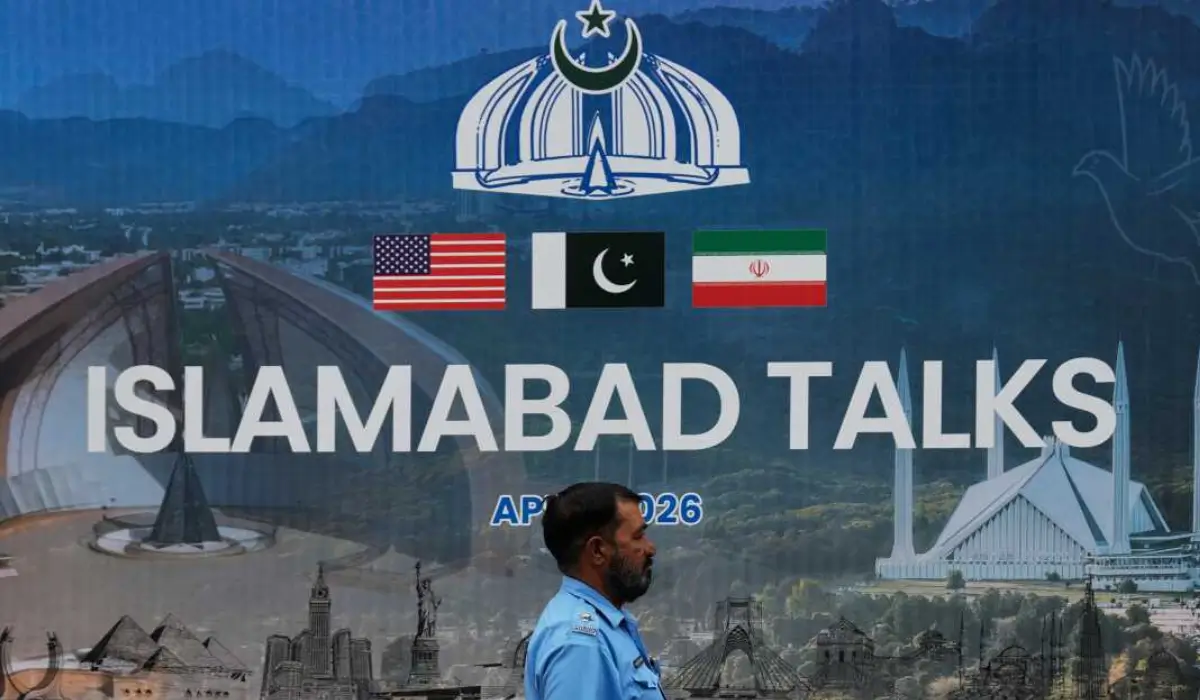
By Pakistan has once again found itself at the centre of high-stakes global diplomacy, as Interior Minister Mohsin Naqvi intensifies efforts to facilitate a second round of negotiations between the United States and Iran. With tensions still simmering between the two adversaries, Islamabad is positioning itself as a neutral ground for dialogue—an effort that could have far-reaching implications for regional stability and global geopolitics.
Renewed Diplomatic Engagement in Islamabad
On April 20, 2026, Naqvi held separate meetings with Reza Amiri Moghadam and Natalie Baker to discuss logistical and security preparations for the anticipated talks. These discussions underscore Pakistan’s proactive role in encouraging dialogue between Washington and Tehran, especially after the first round of negotiations concluded without a formal agreement.
According to official statements from the Ministry of Interior, Naqvi assured both envoys that comprehensive arrangements had been finalized. “Foolproof security measures are in place for all foreign delegations,” he emphasized during his meeting with the Iranian ambassador, reaffirming Pakistan’s commitment to hosting the talks in a secure and neutral environment.
However, uncertainty still lingers. Iranian officials have indicated that Tehran has yet to make a final decision regarding its participation in the second round. This ambiguity highlights the fragile nature of the diplomatic process and the challenges involved in bringing both sides back to the negotiating table.
Pakistan’s Strategic Mediation Role
Pakistan’s involvement in facilitating US-Iran dialogue is not accidental. Historically, Islamabad has maintained diplomatic ties with both Washington and Tehran, allowing it to act as a bridge during periods of heightened tension. Naqvi reiterated this stance, stressing that Pakistan strongly supports resolving conflicts through peaceful negotiations rather than confrontation.
“Our relations with Iran are rooted in decades of brotherhood, and we value them deeply,” Naqvi noted. At the same time, Pakistan continues to engage constructively with the United States, seeking to balance its relationships while promoting regional peace.
The United States, under President Donald Trump, has expressed cautious optimism about the talks. Trump recently announced that American representatives would arrive in Islamabad for the next round of negotiations, signaling Washington’s willingness to continue diplomatic engagement despite ongoing disagreements.
Key Issues at Stake
At the heart of the US-Iran conflict are several contentious issues, including economic sanctions, regional influence, and control over critical maritime routes such as the Strait of Hormuz. Iran’s recent decision to close the strait—one of the world’s most vital النفط transit chokepoints—has further escalated tensions.
Tehran has made it clear that the strait will remain closed until the United States lifts its blockade on Iranian ports. This move has raised concerns across global markets, as disruptions in the Strait of Hormuz can significantly impact oil supply chains and international trade.
Adding to the urgency is the impending expiration of a two-week ceasefire brokered earlier this month. Without a renewed agreement, there is a real risk of escalation, making the success of the Islamabad Talks all the more critical.
Security Measures in the Capital
As Islamabad prepares to host foreign delegations, security arrangements have been significantly intensified. Authorities have implemented a comprehensive plan to ensure the safety of participants and maintain order in the capital.
Key areas, including the Red Zone and Extended Red Zone, have been completely sealed off to traffic. Major arteries such as the Islamabad Expressway and Srinagar Highway are subject to closures and intermittent suspensions.
Heavy traffic has been restricted from entering the city, while alternative routes have been designated for residents. Commuters traveling between Islamabad and Rawalpindi have been advised to use Ninth Avenue and Margalla Road, among other diversions.
In addition, several motorways—including the M1, M2, and M3—have been temporarily closed to public transport as part of the heightened security protocol. These measures reflect the government’s determination to provide a secure environment for the high-profile diplomatic engagement.
Public Impact and Traffic Adjustments
While these security arrangements are essential, they have also led to disruptions for local residents. Road closures and traffic diversions have affected daily commutes, particularly in central Islamabad and surrounding areas.
Authorities have urged citizens to stay informed through official communication channels, including social media updates and traffic radio broadcasts. By following designated routes and avoiding restricted zones, residents can minimize inconvenience during this critical period.
Despite these challenges, there is a general understanding among the public about the importance of hosting such talks. Many view Pakistan’s role as a mediator as a source of national pride and an opportunity to contribute to global peace efforts.
Looking Back: The First Round of Talks
The initial round of US-Iran negotiations, held in Islamabad on April 11 and 12, marked a historic moment. Although the talks ended without a formal agreement, they did not collapse—an outcome that many analysts interpret as a positive sign.
The willingness of both sides to engage in direct dialogue, even amid deep-seated mistrust, suggests that diplomacy remains a viable path forward. The upcoming second round is expected to build on this foundation, with hopes of achieving tangible progress.
Challenges Ahead
Despite Pakistan’s best efforts, several obstacles remain. The lack of confirmation from Iran regarding its participation raises questions about the feasibility of the talks. Additionally, entrenched positions on both sides could limit the scope for compromise.
The geopolitical landscape further complicates matters. Regional alliances, economic pressures, and domestic political considerations all play a role in shaping the decisions of Washington and Tehran. Navigating these complexities will require careful diplomacy and sustained engagement.
Pakistan’s Diplomatic Opportunity
For Pakistan, hosting the Islamabad Talks represents more than just a logistical challenge—it is a strategic opportunity. By facilitating dialogue between two major global powers, Islamabad can enhance its international standing and demonstrate its commitment to peace.
Successful mediation could also open doors for greater diplomatic and economic cooperation, both regionally and globally. Conversely, failure to bring the parties together may highlight the limitations of Pakistan’s influence.
Conclusion
As the world watches, Islamabad stands at a critical juncture. The potential second round of US-Iran talks carries significant implications not only for the Middle East but also for global stability. Pakistan’s role as a mediator underscores its growing importance in international diplomacy.
While uncertainties remain, the efforts of Mohsin Naqvi and the Pakistani government reflect a clear commitment to fostering dialogue and reducing tensions. Whether these efforts will lead to a breakthrough remains to be seen, but one thing is certain: the stakes could not be higher.
In an era defined by conflict and division, initiatives like the Islamabad Talks serve as a reminder of the enduring power of diplomacy. If successful, they could pave the way for a more stable and peaceful future—not just for the region, but for the world at large.